Reduction Pathways in Zero-Valent Iron Systems: Discussions Triggered by Research Approaches and Detection Methods
Received date: 2024-11-11
Revised date: 2025-01-08
Online published: 2025-05-15
Supported by
the National Natural Science Foundation of China, CN(52370089)
the Natural Science Foundation of Shandong Province, CN(ZR2024ME131)
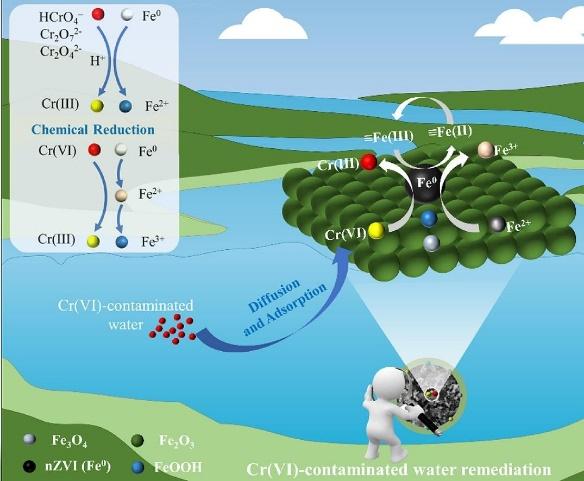
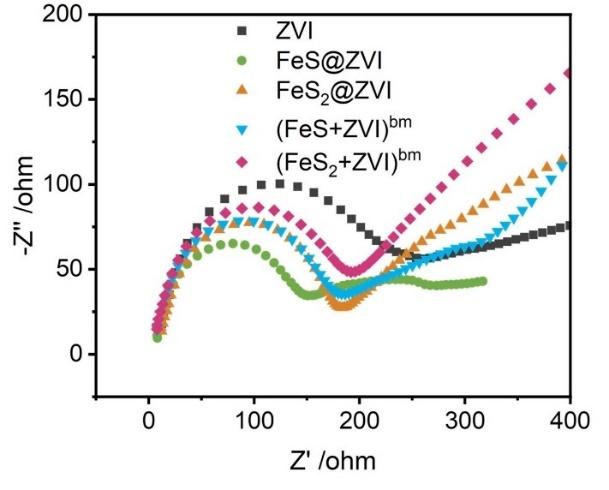
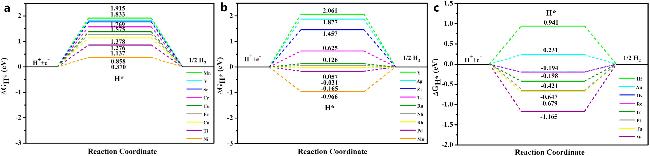
Zero-valent iron (ZVI) and its surface-modified materials have been widely used for the removal of various pollutants due to their excellent reduction properties. The three recognized potential reduction pathways of ZVI include direct electron transfer reduction, Fe(II) reduction, and atomic hydrogen reduction. Due to varying interpretations among researchers regarding the three reduction pathways and the diverse methods employed to detect them, recent studies have yielded differing conclusions on several critical aspects, including: (1) the dominant reduction pathway for pristine ZVI materials; (2) the impact of sulfur modification on the generation or recombination of atomic hydrogen; (3) the role of carbon modification in enhancing the reduction performance of ZVI through accelerated direct electron transfer or atomic hydrogen production; (4) and the underlying mechanisms by which different transition metal modifications influence the dominant reduction pathways of ZVI, among others. These discrepancies have sparked debates concerning the predominant reduction pathways involved in the removal of pollutants by ZVI and its surface-modified materials. This review systematically summarizes the following points: (1) the structure and modification principles of ZVI and its surface-modified materials; (2) the mechanisms and detection methods of the three reduction pathways in ZVI reduction systems; (3) the influence of different surface modification techniques (sulfur modification, carbon material modification, and transition metal modification) on the reduction pathways and the existing controversies; (4) the interference of environmental conditions (pH, coexisting ions, and natural organic matter) on the reduction pathways. Based on the reduction pathways, the review also presents prospects for future research directions, with the aim of addressing some of the current uncertainties in reduction pathway research and promoting a unified understanding of ZVI reduction pathways, thereby advancing scientific research and development in ZVI and its surface-modified materials.
1 Introduction
2 Iron as a starting point: ZVI and its surface modified materials
2.1 ZVI structure and pollutants removal
2.2 Structure and modification principles of sulfur-modified ZVI
2.3 Structure and modification principles of carbon-modified ZVI
2.4 Structure and modification principles of transition metal-modified ZVI
3 First glimpses: reduction pathways and its detection methods
3.1 Direct electron transfer reduction pathway
3.2 Fe(Ⅱ) reduction pathway
3.3 Atomic hydrogen reduction pathway
4 Manifestation of conflicts: the impact of surface modification on reduction pathways
4.1 Sulfurization modification
4.2 Carbon material modification
4.3 Transition metal modification
5 Echoes of the tributary: interference of environmental conditions
5.1 pH
5.2 Coexisting ions
5.3 Natural organic contaminants
6 Conclusion and outlook
Shiying Yang , Wenjun Kuang . Reduction Pathways in Zero-Valent Iron Systems: Discussions Triggered by Research Approaches and Detection Methods[J]. Progress in Chemistry, 2025 , 37(7) : 1011 -1024 . DOI: 10.7536/PC241109
表1 ZVI基材料的主导还原路径及其检测方法汇总Table 1 Summary of dominant reduction pathways and their detection methods for ZVI-based materials |
| Materials | Dominant Reduction Pathways | Detection Methods | Pollutants | Condition parameters | Ref |
|---|---|---|---|---|---|
| ZVI/HA | DET | TBA Quenching Experiment, Phen Experiment, KBrO3 Quenching Experiment | PNP | pH = 5, T = 25 ℃, 10 mg/L PNP, 0.5 g/L ZVI | 66 |
| LZVI | Fe(II) | Phen Experiment | Cr(VI) | pH = 6.28, T = 25 ℃, 2 mg/L Cr(VI), 5 g/L LZVI | 2 |
| ZVI | H* | Tafel, EIS, CV | CT | pH = 0.4, 30 mg/L CT | 4 |
| nZVI | H* | TBA Quenching Experiment | FF | pH = 7.0, T = 25 ℃, 0.28 mmol/L FF, 1.0 g/L nZVI | 10 |
| Fe0-Fe3O4-BM | DET and Fe(II) | Tafel, EIS, CV, Phen Experiment | Cr(VI) | pH = 3, 30 mg/L Cr(VI), 1.0 g/L Fe0-Fe3O4-BM | 53 |
| OX-ZVIbm | DET and Fe(II) | Tafel, EIS, EPR, Methanol Quenching Experiment, Phen Experiment | TCE | T = 25 ℃, 20 mg/L TCE, 4 g/L OX-ZVIbm | 12 |
| nZVI | DET and Fe(II) | Phen Experiment | Cr(VI) | pH = 6.28, T = 35 ℃, 8 mg/L Cr(VI), 0.15 g/L nZVI | 3 |
| S-nZVI | DET | Tafel | PCE | pH = 6.5, T = 25 ℃, 64 μmol/L CE, 1 g/L S-nZVI(S/Fe = 0.007) | 88 |
| S-nZVI | DET | Tafel, Kinetic Analysis | TCE | pH = 8, 10 mg/L TCE, 1 g/L S-nZVI(S/Fe = 0.20) | 6 |
| S-ZVI | DET | Solvent Kinetic Isotope Experiment | c-DCE, TCE | pH = 7.0, 0.1 mmol/L c-DCE/TCE, 5 g/L S-ZVI(S/Fe = 0.10) | 14 |
| S-mZVI | DET | Kinetic Analysis | TCE | pH = 7.0, 100 μmol/L CE, 0.26 g S-mZVI(S/Fe = 0.10) | 42 |
| S-mZVI | Fe(II) | Phen Experiment | Cr(VI) | pH = 6.00, 20 mg/L Cr(VI), 0.4 g/L S-mZVI(S/Fe = 0.112) | 105 |
| S-nZVI | H* | Tafel | VC, c-DCE | pH = 6.5, T = 25 ℃, 64 μmol/L CE, 1 g/L S-nZVI(S/Fe = 0.007) | 88 |
| S-nZVI | H* | CV, EPR, Solvent Kinetic Isotope Experiment | DTA | pH = 7.0, T = 25℃, 30 μmol/L DTA, 2.0 g/L S-nZVI(S/Fe = 0.25) | 35 |
| S-mZVI | H* | Kinetic Analysis | c-DCE, t-DCE, VC | pH = 7.0, 100 μmol/L CE, 0.26 g S-mZVI(S/Fe = 0.10) | 42 |
| S-nZVI | H* | Kinetic Analysis | TCE | pH = 7.8-8.2, T = 22 ℃, 25 mg/L TCE, 5 g/L S-nZVI(S/Fe = 0.05) | 87 |
| S-ZVI | DET and Fe(II) | Tafel, CV | c-DCE | pH = 3.0, 2 mg/L c-DCE, 0.25 g/L S-ZVI(S/Fe=0.11) | 33 |
| ZVI/FeS2 | DET and Fe(II) | Phen Experiment | NB | pH = 6.0, 25.0 mg/L NB, 0.5 g/L ZVI + 2.0 g/L FeS2 | 106 |
| S-nZVI | DET and H* | TBA Quenching Experiment | FF | pH = 7.0, T = 25 ℃, 0.28 mmol/L FF, 1.0 g/L S-nZVI(S/Fe = 0.07) | 10 |
| S-mZVI | DET and H* | TBA Quenching Experiment | CAP | T = 25 ℃, 40 mg/L CAP, 0.4 g/L S-mZVI(S/Fe = 0.112) | 11 |
| S-mZVI | DET and H* | Kinetic Analysis | PCE, 1,1-DCE | pH = 7.0, 100 μmol/L CE, 0.26 g S-mZVI(S/Fe = 0.1) | 42 |
| nZVI/CNT | H* | CV, EPR, Solvent Kinetic Isotope Experiment | Cr(VI) | pH = 6.5, T = 25 ℃, 10 mg/L Cr(VI), 0.2 g/L nZVI/CNT | 35 |
| AC-ZVI | H* | Electrochemical Analysis | TCE | pH = 8.7~9.2, T = 22 ℃, 6 mg/L TCE, 5 g/L AC-ZVI | 96 |
| AC-ZVI | H* | Electrochemical Analysis | DDT | pH = 8.8, 5 mg/L DDT, 667 g/L AC-mZVI | 15 |
| nZVI@CP-BC | DET and Fe(II) | pH Analysis, ORP Analysis | Cr(VI) | pH = 5.1, T = 25 ℃, 20 mg/L Cr(VI), 37.5 mg nZVI@CP-BC | 70 |
| BC-nZVI | DET and H* | Tafel, EIS, HER Analysis | TCE | 25 mg/L TCE, 2 g/L BC-nZVI | 29 |
| MNBC-ZVI | DET and H* | CV, TBA Quenching Experiment | TMX | T = 25 ℃, 10 mg/L TMX, 0.75 g/L MNBC-ZVI | 34 |
| nZVI/BC | DET and H* | Solvent Kinetic Isotope Experiment | TBBPA | pH = 7, T = 25 ℃, 10 mg/L TBBPA, 2.0 g/L nZVI/BC | 27 |
| nZVI@CBC | Fe(II) and H* | XPS Analysis | Cr(VI) | pH = 7.0, 4 mg/L Cr(VI), 2.5 g/L nZVI@CBC | 16 |
| Pd/Ni-nZVI | H* | Tafel, Kinetic Analysis | TCE | pH = 8, 10 mg/L TCE, 1 g/L Pd/Ni-nZVI | 6 |
| Cu-Febm(CuSO4) | H* | CV, ESR, Methanol Quenching Experiment | TCE | pH = 7, T = 25 ℃, 10 mg/L TCE, 2.0 g/L Cu-Febm(CuSO4) | 103 |
| Fe-Pd-Cu | H* | ESR | DCF | T = 25 ℃, 20 mg/L DCF, 30 g/L Fe-Pd-Cu | 51 |
| Pd/nZVI | H* | Solvent Kinetic Isotope Experiment | 1,1,1,2,5-TeCA | pH = 8, 75 μmol/L 1,1,1,2,5-TeCA, 0.22 g/L Pd/nZVI | 5 |
| Pd/nZVI | H* | Solvent Kinetic Isotope Experiment | c-DCE | pH = 8, 75 μmol/L c-DCE, 0.22 g/L Pd/nZVI | 5 |
| N(C)-mZVI | DET | Tafel, EIS, CV, TBA Quenching Experiment, | TCE | pH = 7, T = 25℃, 76 μmol/L TCE, 10 g/L mZVI | 13 |
| MoS-mZVI | DET | CV | TCE | T = 25℃, 10 mg/L TCE, 5.2 g/L MoS-ZVI | 107 |
| S-nZVI/BC | Fe(II) | Phen Experiment | Cd(II), As(III) | pH = 5.0, 20 mg/L Cd(II), 40 mg/L As(iii), 0.2 g/L S-nZVI/BC | 18 |
| Ni-nZVI/BC | H* | EIS, CV, EPR, Methanol Quenching Experiment | TCE | pH = 7.0, T = 25 ℃, 20 mg/L TCE, 1.0 g/L Ni-nZVI/BC | 17 |
| S-mZVI/GO | H* | CV | TCE | T = 25 ℃, 10 mg/L TCE, 4 g/L S-mZVI/rGO | 24 |
| Fe0@Fe-N4-C | H* | EPR | TCE | pH = 6.5, T = 25 ℃, 1 mg/L TCE, 1 g/L Fe0@Fe-N4-C | 76 |
| Ni/S-mZVI | H* | ESR | ATZ | T = 12 ℃, 4 mg/L ATZ, 24 g/L Ni/S-mZVI | 101 |
| S-mZVI/BC | DET and Fe(II) | Phen Experiment, ICP Analysis | Cr(VI) | pH = 2, 50 mg/L Cr(VI), 1 g/L S-mZVI/BC | 40 |
| NG/nZVI | DET and H* | TBA Quenching Experiment | VC | 44.8 μmol/L VC, 2 g/L nZVI, 4 g/L NG | 47 |
| S-nZVI/BC | DET and H* | TBA Quenching Experiment, Solvent Kinetic Isotope Experiment | TBBPA | pH = 7, T = 25 ℃, 10 mg/L TBBPA, 2.0 g/L S-nZVI/BC(S/Fe = 0.090) | 108 |
| S-nZVI/BC | DET and H* | Solvent Kinetic Isotope Experiment | TBBPA | pH = 7, T = 25 ℃, 10 mg/L TBBPA, 2.0 g/L S-nZVI/BC | 27 |
| S-nZVI@NBC | DET and H* | DFT Analysis, PDOS Analysis | NOR | 10 mg/L NOR, 0.8 g/L S-nZVI@NBC | 81 |
| BC@Fe/Ni | DET and H* | XPS Analysis | 2,4-DCP | T = 25 ℃, 50 mg/L 2, 4-DCP, 2 g/L BC@Fe/Ni | 109 |
*Full form of partial abbreviations: activated carbon (AC), carbon nanotube (CNT), biochar (BC), tertiary-butyl alcohol (TBA), oxidation-reduction potential (ORP), inductively coupled plasma (ICP), density functional theory (DFT), partial density of states (PDOS), p-nitrophenol (PNP), carbon tetrachloride (CT), florfenicol (FF), trichloroethylene (TCE), perchlorethylene (PCE), dichloroethylene (DCE), vinyl chloride (VC), diatrizoic acid (DTA), nitrobenzene (NB), chloramphenicol (CAP), dichlorodiphenyltrichloroethane (DDT), thiamethoxam (TMX), tetrabromobisphenol A (TBBPA), tetrachloroethane (TeCA), atrazine (ATZ), norfloxacin (NOR), dichlorophenols (DCP) |
| [1] |
(杨世迎, 任腾飞, 张艺萱, 郑迪, 辛佳. 化学进展, 2017, 29(4): 388).
|
| [2] |
|
| [3] |
|
| [4] |
|
| [5] |
|
| [6] |
|
| [7] |
|
| [8] |
|
| [9] |
|
| [10] |
|
| [11] |
|
| [12] |
|
| [13] |
|
| [14] |
|
| [15] |
|
| [16] |
|
| [17] |
|
| [18] |
|
| [19] |
(张锦辉, 张晋华, 梁继伟, 顾凯丽, 姚文婧, 李锦祥. 化学进展, 2022, 34(5): 1218).
|
| [20] |
|
| [21] |
|
| [22] |
|
| [23] |
|
| [24] |
|
| [25] |
|
| [26] |
|
| [27] |
|
| [28] |
|
| [29] |
|
| [30] |
|
| [31] |
|
| [32] |
|
| [33] |
|
| [34] |
|
| [35] |
|
| [36] |
|
| [37] |
|
| [38] |
|
| [39] |
|
| [40] |
|
| [41] |
(陈宗定, 孔祥科, 许春雪, 张兆吉, 黄园英, 孙慧中, 安子怡. 中国环境科学, 2024, 44(7): 3682).
|
| [42] |
|
| [43] |
|
| [44] |
|
| [45] |
|
| [46] |
|
| [47] |
|
| [48] |
|
| [49] |
(杨世迎, 范丹阳, 保晓娟, 傅培瑶. 化学进展, 2022, 34(5): 1203).
|
| [50] |
|
| [51] |
|
| [52] |
|
| [53] |
|
| [54] |
|
| [55] |
|
| [56] |
|
| [57] |
|
| [58] |
|
| [59] |
|
| [60] |
|
| [61] |
|
| [62] |
|
| [63] |
|
| [64] |
|
| [65] |
|
| [66] |
|
| [67] |
|
| [68] |
|
| [69] |
|
| [70] |
|
| [71] |
|
| [72] |
|
| [73] |
|
| [74] |
|
| [75] |
|
| [76] |
|
| [77] |
|
| [78] |
|
| [79] |
|
| [80] |
|
| [81] |
|
| [82] |
|
| [83] |
|
| [84] |
|
| [85] |
|
| [86] |
|
| [87] |
|
| [88] |
|
| [89] |
|
| [90] |
|
| [91] |
|
| [92] |
|
| [93] |
|
| [94] |
|
| [95] |
|
| [96] |
|
| [97] |
|
| [98] |
|
| [99] |
|
| [100] |
|
| [101] |
|
| [102] |
|
| [103] |
|
| [104] |
|
| [105] |
|
| [106] |
|
| [107] |
|
| [108] |
|
| [109] |
|
| [110] |
|
| [111] |
|
/
| 〈 |
|
〉 |