Coalbed methane content prediction based on joint optimization of log interpretation model and mean impact value method
Received date: 2023-11-23
Online published: 2024-12-19
Copyright
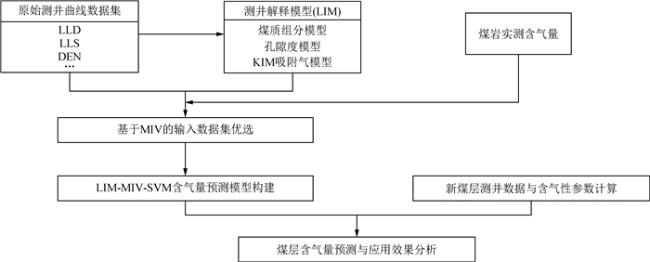
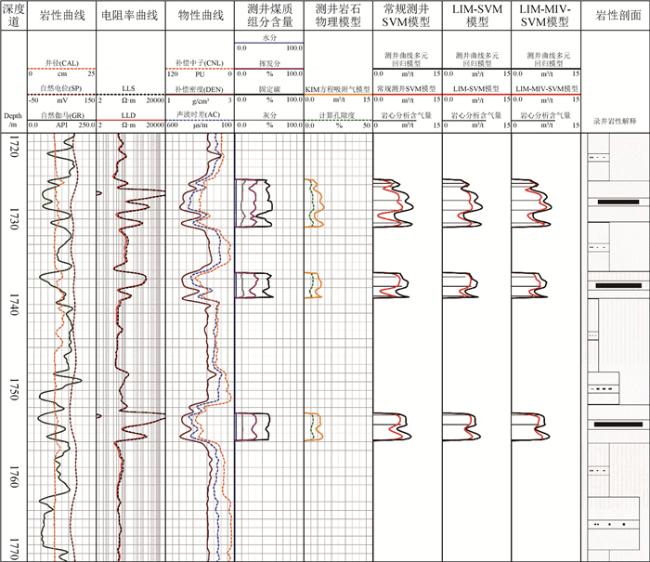
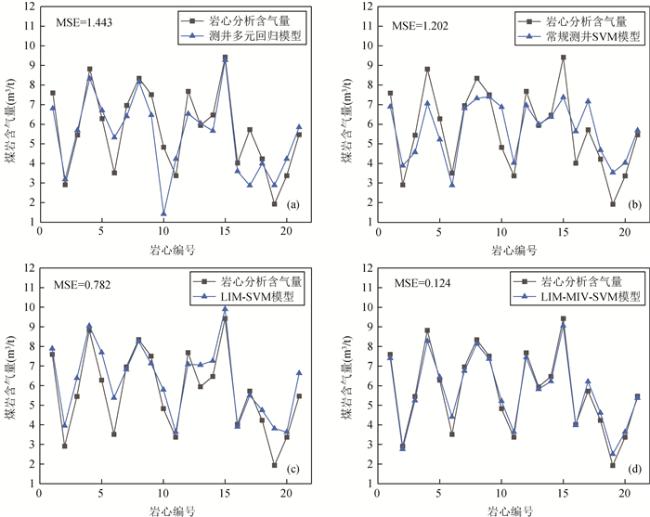
In order to further improve the prediction effect of Coalbed Methane (CBM) content by using the geophysical well logging technology, this study introduced the coal reservoir parameters calculated by Log Interpretation Model (LIM) into the construction process of the CBM content prediction model. And the input parameters of Support Vector Machine (SVM) were optimized based on the Mean Impact Value (MIV) method. Finally, a LIM-MIV-SVM model for predicting CBM content was constructed using grid search method. And the CBM content prediction effects of the LIM-MIV-SVM model were compared with multiple regression model, conventional logging SVM model and LIM-SVM model by using the actual logging data from Huainan coalfield. The application results show that the proposed LIM-MIV-SVM model has the highest prediction accuracy, followed by the LIM-SVM model and the conventional logging SVM model, and the multiple regression model has the lowest prediction accuracy. This indicates that machine learning method have advantages over traditional logging interpretation method, and introducing gas content parameters calculated by LIM reasonably is effective for improving the prediction accuracy of CBM content. The LIM-MIV-SVM model is jointly optimized through multi-source logging data fusion and input dataset selection, which can provide technical support for CBM resource exploration and reservoir evaluation. Moreover, this research method and modeling strategy can be suitable for other machine learning modeling research fields.
Ze BAI , MaoJin TAN , Yang BAI , HaiBo WU . Coalbed methane content prediction based on joint optimization of log interpretation model and mean impact value method[J]. Progress in Geophysics, 2024 , 39(5) : 1863 -1873 . DOI: 10.6038/pg2024HH0406
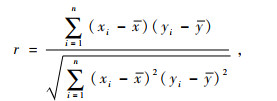
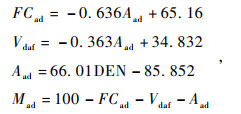
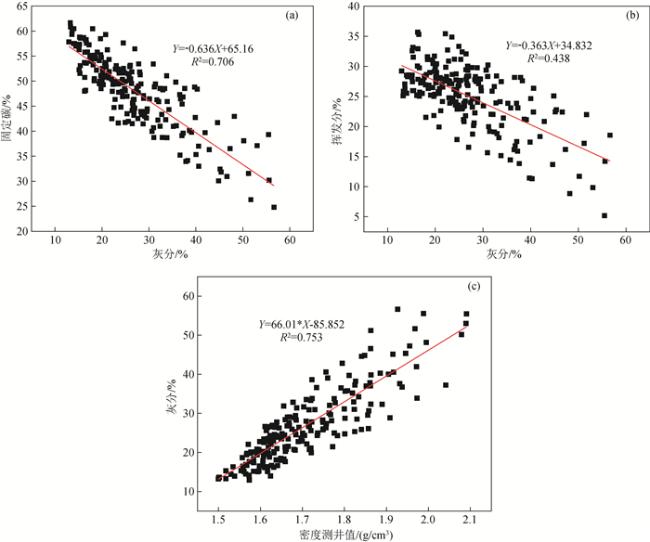
图4 煤岩不同工业组分相关性分析结果(a)灰分与固定碳质量含量相关关系;(b)灰分与挥发分质量含量相关关系;(c)灰分质量含量与密度测井值相关关系. Figure 4 The correlation analysis results of different coal industrial components (a) The correlation between ash content and fixed carbon content; (b) The correlation between volatile matter and ash content; (c) The correlation between ash content and density logging values. |
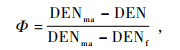

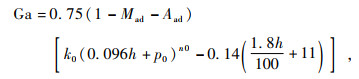
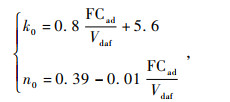
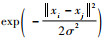 ,模型参数采用网格搜索法确定.
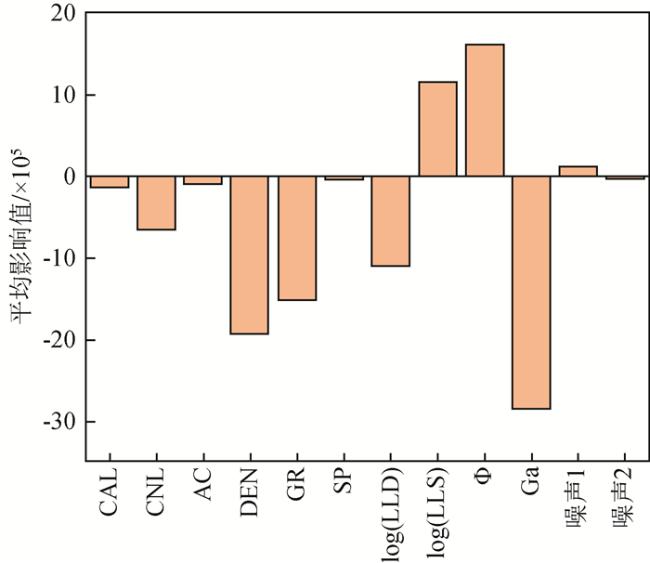
图5 不同输入变量对煤层含气量预测结果的平均影响值柱状图(a)不同模型参数组合测试样本集预测结果均方误差等值线图;(b)不同模型参数组合测试样本集预测结果决定系数等值线图. Fig 5 The histogram of the mean impact value of different input variables for predicting coal gas content |
表1 不同输入变量的MIV值(×106)位次表Table 1 The rank table of MIV (×106) for different input variables |
| 位次 | 1 | 2 | 3 | 4 | 5 | 6 | 7 | 8 | 9 | 10 | 11 | 12 |
| 变量 | Ga | DEN | Φ | GR | Log(LLS) | Log(LLD) | CNL | CAL | 噪声1 | AC | SP | 噪声2 |
| |MIV| | 2.84 | 1.93 | 1.61 | 1.52 | 1.15 | 1.11 | 0.65 | 0.14 | 0.11 | 0.09 | 0.05 | 0.03 |
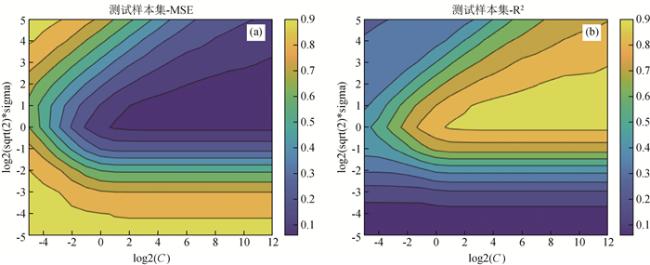
 ) 参数组合,通过训练得到不同的回归模型和测试集均方误差,从这些组合中选择一个均方误差最小模型作为最终的SVM含气量回归模型,其中C的取值分别为(2-5, ,2-4,…,212),的取值分别为(2-5,2-4,…,25).图 6是利用MIV优选的7个变量作为输入时的模型参数优选结果图,确定的最优模型参数组合为:C=256,=2;此时构建的SVM回归模型对测试样本集的预测结果均方误差最小(MSE=0.086),决定系数最大(R2=0.89).
感谢审稿专家提出的修改意见和编辑部的大力支持!
|
|
|
|
|
|
|
|
|
|
|
|
|
|
|
|
|
|
|
|
|
|
|
|
|
|
|
|
|
|
|
|
|
|
|
|
|
|
|
|
|
|
|
|
|
|
|
|
|
|
|
|
|
|
|
|
|
|
|
|
|
|
|
|
|
|
|
|
|
|
|
|
|
|
|
|
|
|
|
|
|
|
|
|
|
|
/
| 〈 |
|
〉 |