3D forward modeling software development for transient electromagnetic based on FDTD method
Received date: 2023-12-05
Online published: 2025-01-14
Copyright
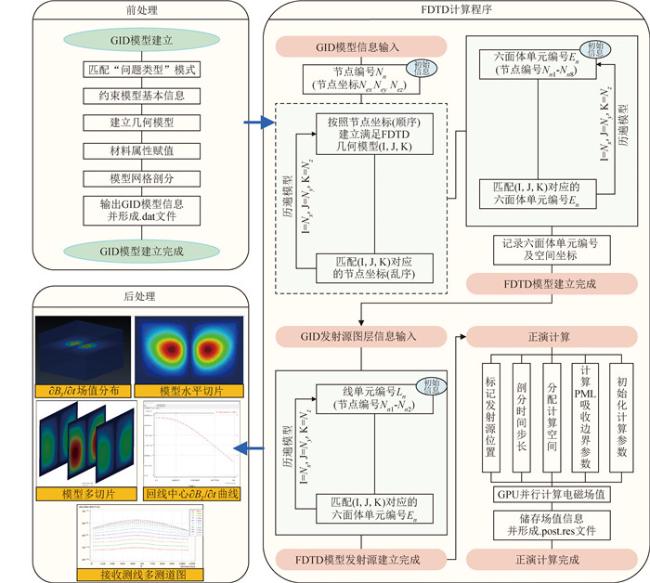
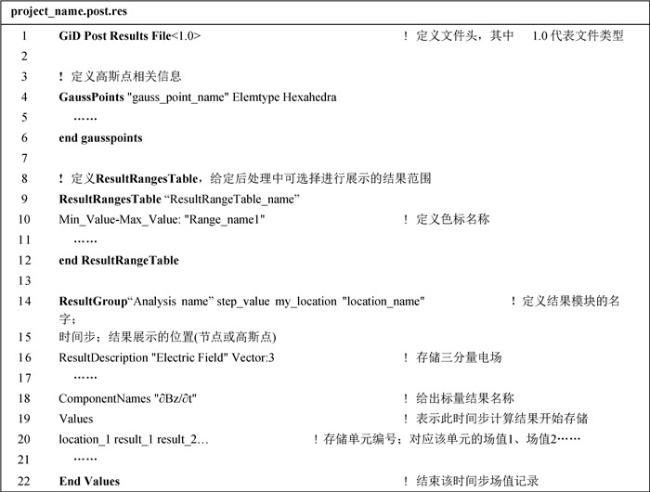
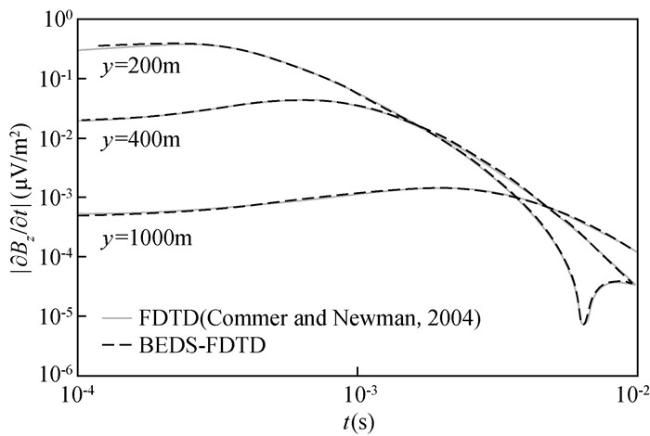
The complexity of transient electromagnetic forward modeling is required to be higher in practical production. The traditional Finite-Different Time-Domain (FDTD) algorithm adopts the model file mode in modeling, and can only use a few parameters to build some simple rule models, which is difficult to build complex models. At the same time, due to the lack of visualization module, the calculation results can not be displayed quickly. In view of the above problems, this paper develops the problem type suitable for the finitely difference Time domain algorithm based on GID platform, realizes the formatted output of software pre-processing process and model information, and writes the interface between FDTD algorithm and GID, realizes model information reading, unit number conversion and emission source identification, thus completing forward calculation and post-processing file generation. A 3D forward modeling software of transient electromagnetic complex model is developed, which integrates pre-processing, forward calculation and post-processing. In this paper, the research and development design, implementation method and main functions of the module of the whole set of software are introduced in detail. The calculation accuracy of the software is simulated and verified by simulating the layered and three-dimensional vertical contact zone models. Finally, a complex terrain model containing a complex shape target is designed for modeling and analysis. It can realize three-dimensional forward modeling of complex transient electromagnetic models.
HuaiFeng SUN , ShanShan HU , ShangBin LIU , Lei CHEN , Qi ZHAO , Dong LIU , XueFeng LI . 3D forward modeling software development for transient electromagnetic based on FDTD method[J]. Progress in Geophysics, 2024 , 39(6) : 2368 -2382 . DOI: 10.6038/pg2024HH0445
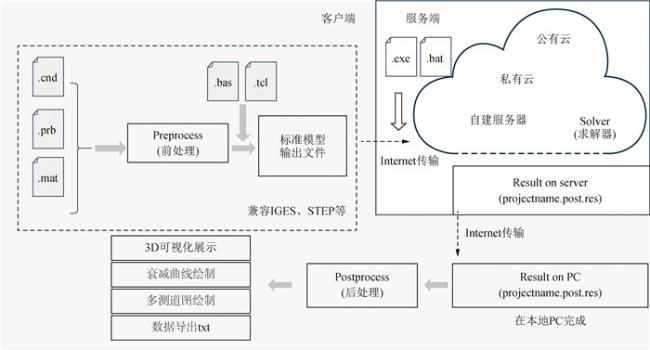
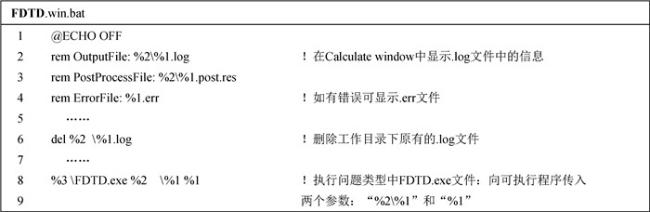
图9 FDTD.win.bat伪代码其中:1%:当前项目的名字(即,.dat文件的名字);2%:当前项目的路径(即,.dat文件的绝对路径);3%:当前问题类型的路径(即,问题类型文件包的绝对路径). Fig 9 Pseudo-code for the FDTD.win.bat file Among them: 1%: the name of the current project (i.e., the name of the.dat file); 2%: The path of the current project (i.e., the absolute path of the.dat file); 3%: The path of the current problem type (i.e., the absolute path of the problem type file package). |
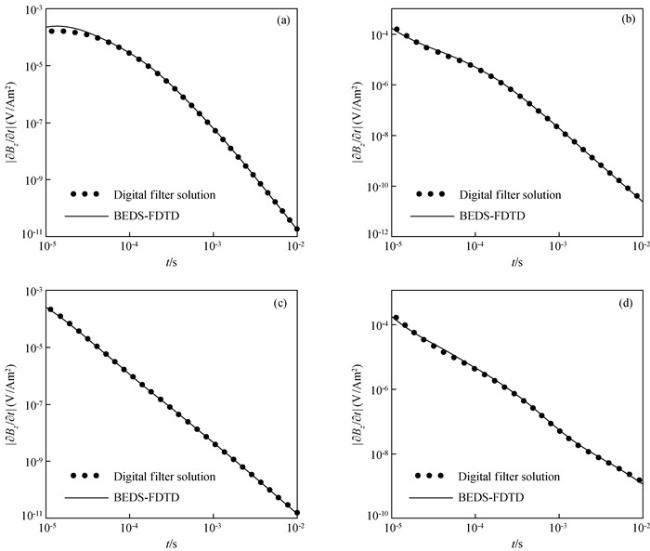
表1 四种典型层状模型地电参数Table 1 The electrical parameters of the four classical layer models |
| 模型 | ρ1/(Ω·m) | ρ2/(Ω·m) | ρ3/(Ω·m) | h1/m | h2/m |
| A | 10 | 100 | 1000 | 40 | 100 |
| H | 100 | 10 | 100 | 40 | 20 |
| K | 100 | 1000 | 100 | 40 | 20 |
| Q | 100 | 10 | 1 | 40 | 100 |
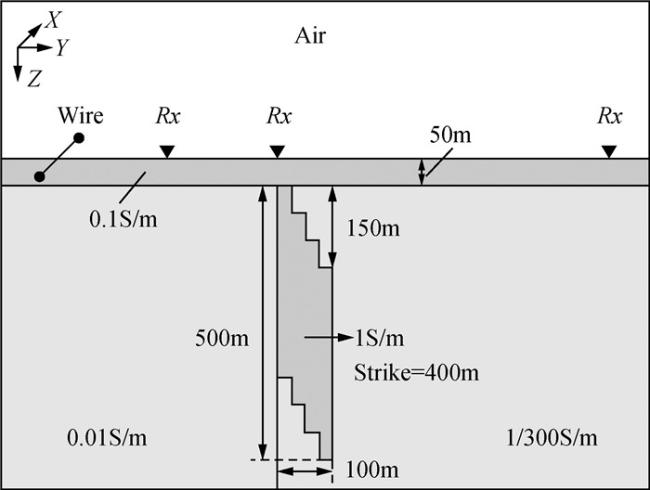
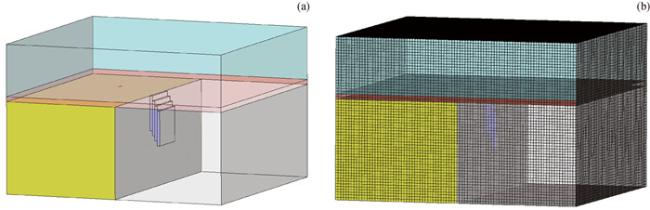
图13 三维垂直接触带模型二维剖面Fig 13 A 2D section view of the 3D model with the vertical-contact conductive body |
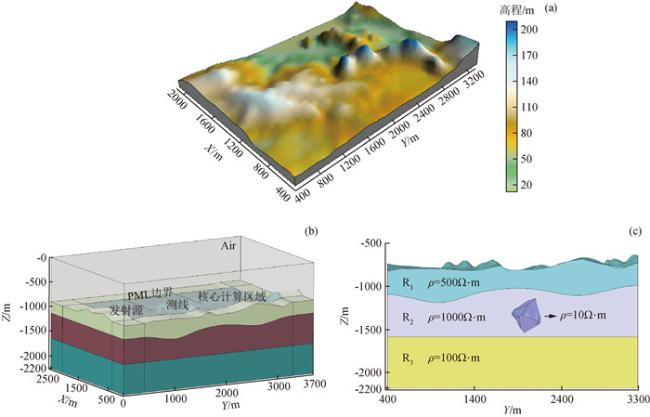
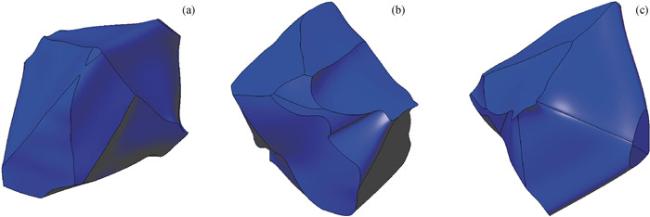
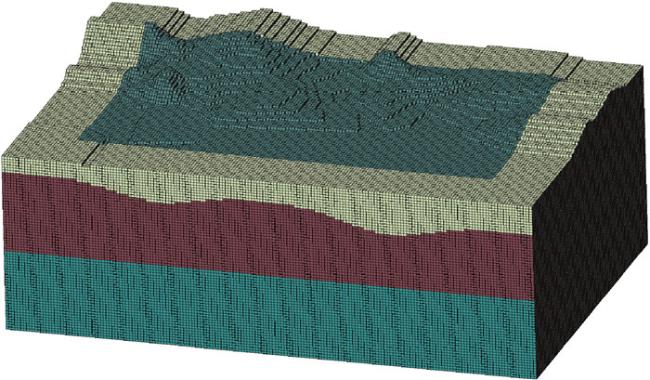
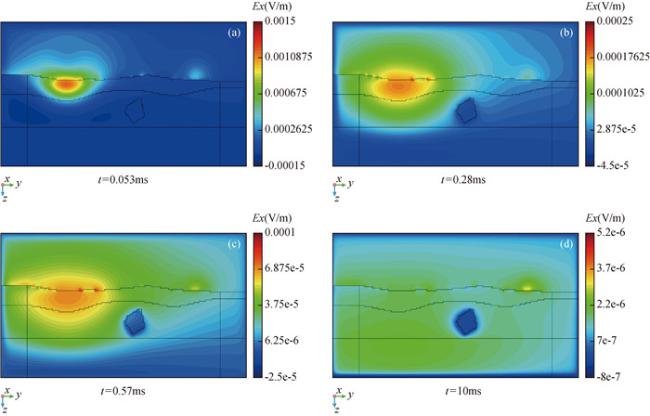
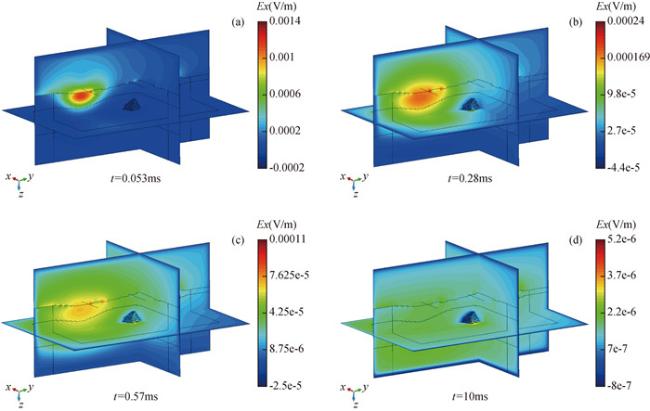
图16 含有岩溶体的复杂地层模型示意图(a)核心计算区域三维地形图;(b)模型示意图;(c)yoz截面核心计算区域示意图. Fig 16 A diagram for the complex-layer model with buried karst body (a) 3D topographic map of the core calculation area; (b) Schematic diagram of the model; (c) Schematic diagram of the core calculation area in the yoz cross-section. |
本文在孙怀凤等开发的瞬变电磁三维时域有限差分正演计算程序(TEM3dFDTD)代码基础上完成,在此向原作者表示感谢.
|
|
|
|
|
|
|
|
|
|
|
|
|
|
|
|
|
|
|
|
|
|
|
|
|
|
|
|
|
|
|
|
|
|
|
|
|
|
/
| 〈 |
|
〉 |