Home Journals Progress in Chemistry
Progress in Chemistry

Abbreviation (ISO4): Prog Chem      Editor in chief: Jincai ZHAO

About  /  Aim & scope  /  Editorial board  /  Indexed  /  Contact  / 
Review

Circularly Polarized Organic Room Temperature Phosphorescent Materials

  • Hengyu Cao ,
  • Zhisheng Gao ,
  • Xin Yan ,
  • Huanhuan Li , * ,
  • Ye Tao , *
Expand
  • State Key Laboratory of Organic Electronics and Information Displays, Institute of Advanced Materials (IAM), Nanjing University of Posts & Telecommunications, Nanjing 210023, China
* (Huanhuan Li);
(Ye Tao)

Received date: 2024-09-23

  Revised date: 2024-11-25

  Online published: 2025-05-15

Supported by

The National Natural Science Foundation of China(62075102)

The National Natural Science Foundation of China(22075149)

The National Natural Science Foundation of China(21604039)

The National Natural Science Foundation of China(61875090)

The National Natural Science Foundation of China(91833306)

Abstract

In recent years, a series of organic room temperature phosphorescence materials with circular polarization luminescence have been constructed by combining (circularly polarized room temperature phosphorescence, CPRTP)materials with reasonable molecular design. The luminescence principle of CPRTP materials is consistent with the luminescence of organic room-temperature phosphorescence materials, and is accompanied by the property of circularly polarized luminescence. This kind of material not only retains the advantage of low energy loss in circular polarization luminescence, but also greatly expands the application of organic room-temperature phosphorescence materials in the fields of anti-counterfeiting encryption and afterglow display. In this paper based on the luminescence mechanism and molecular strategy of CPRTP materials, the structural design strategy of CPRTP materials is summarized. Finally, the existing problems of CPRTP materials are discussed, and the future development prospects and challenges are prospected.

Contents

1 Introduction

2 Molecular designs of CPRTP materials and their applications

2.1 Host-gust CPRTP materials

2.2 Organic small molecular CPRTP materials

2.3 Organic ionic crystals CPRTP materials

2.4 Organic polymers CPRTP materials

2.5 Supramolecular self-assembly CPRTP materials

3 Summary and outlook

Cite this article

Hengyu Cao , Zhisheng Gao , Xin Yan , Huanhuan Li , Ye Tao . Circularly Polarized Organic Room Temperature Phosphorescent Materials[J]. Progress in Chemistry, 2025 , 37(7) : 949 -966 . DOI: 10.7536/PC240907

1 Introduction

Organic room temperature phosphorescence (RTP) materials refer to a unique type of phosphorescent material that continues to emit light for several seconds to hours after the excitation source is turned off under room temperature conditions, representing a highly distinctive long-lived phosphorescent emission phenomenon[1-3]. In recent years, purely organic RTP materials have attracted extensive attention from researchers due to their unique triplet exciton luminescence properties, being selected for two consecutive years as one of the "Top Ten Hot Frontiers in Chemistry and Materials Science" by the Institute of Strategic Studies on Science and Technology of the Chinese Academy of Sciences and Clarivate Analytics. They are currently one of the hotspots in organic optoelectronics research[4-8]. In terms of molecular design, strategies mainly include introducing heavy atoms[9]to enhance spin-orbit coupling strength, incorporating lone-pair electrons[10]to facilitate electron spin flips, and employing crystal engineering[11-12], host-guest doping[13], polymerization engineering[14], constructing H-aggregates[15-16], introducing ionic bonds[17-18], and self-assembly[19]to reduce non-radiative transitions of molecules, thereby achieving longer afterglow lifetimes and high photoluminescence quantum efficiencies. To date, reported organic RTP materials can be broadly classified into single-component small molecules, polymers, ionic cocrystals, organometallic frameworks, organometallic complexes, carbon dots, clusters, exciplexes, covalent organic frameworks, gels, and other types, which also enables their wide-ranging applications in areas such as bioimaging and sensing, information anti-counterfeiting and data encryption, optical recording, and secure printing[20-25].
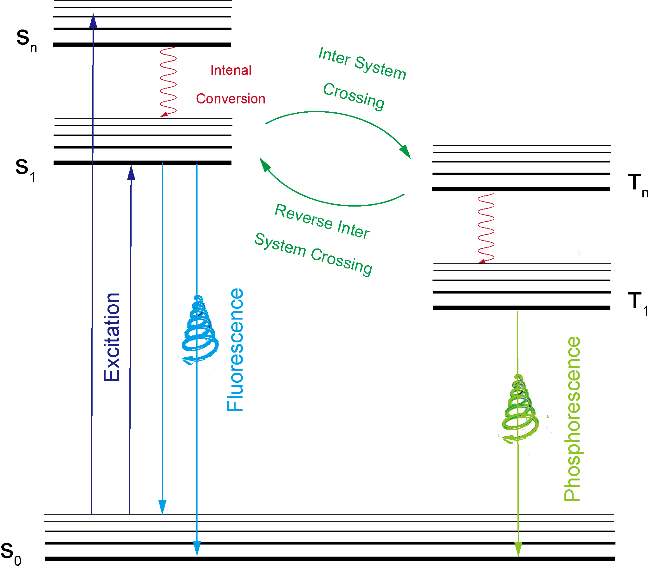
Circularly polarized luminescence (CPL) refers to the phenomenon where chiral luminescent materials exhibit left-handed (Left, L) or right-handed (Right, R) circular polarization upon excitation[26-27]. Due to their broad application prospects in areas such as 3D display, chemical sensing, optical storage, and biological probes, CPL materials have become a research hotspot in the fields of chemistry and materials science in recent years[28-32]. Given the promising applications of CPL materials in 3D display and optical storage, developing circularly polarized organic room-temperature phosphorescence (33-34, CPRTP) materials is of great significance. CPRTP materials can effectively combine RTP and CPL characteristics, achieving long afterglow lifetimes and high photoluminescence quantum efficiencies while also enabling circularly polarized emission, thereby significantly expanding the types and applications of RTP materials[35]. In this article, starting from the luminescence mechanism of CPRTP materials (Figure 1), we summarize recent research progress on the molecular design strategies, performance, and device applications of CPRTP materials. Finally, we provide an outlook on the development and application prospects of CPRTP materials, aiming to offer a reference for future researchers designing CPRTP molecules with even better performance.
图1 CPRTP材料的发光机理图

Fig.1 Luminescence mechanism diagram of CPRTP materials

2 Molecular Design Strategies for CPRTP Materials

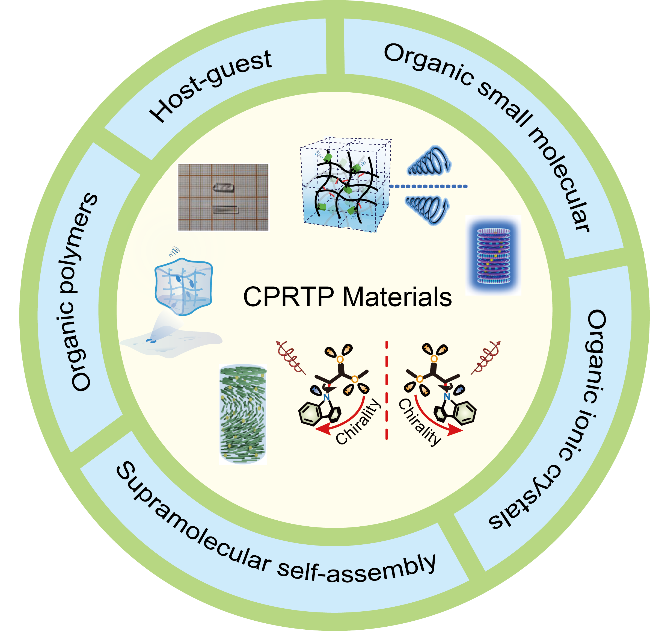
CPRTP materials mainly include host-guest doped, small molecule, polymer, ionic crystal, and supramolecular self-assembly types (Figure 2). The design principles primarily involve three aspects: CPRTP materials constructed based on intrinsic chiral lumophores, generation of CPL signals through perturbation by chiral units, and production of CPL signals via self-assembly. Currently, the g lum(luminescence dissymmetry factor) obtained from chiral perturbation and intrinsic chiral lumophores is relatively low, whereas the g lumvalues achieved through self-assembly strategies are significantly higher.
图2 CPRTP材料的分子设计策略

Fig.2 Molecular design strategies for CPRTP materials

2.1 Host-guest doped CPRTP materials

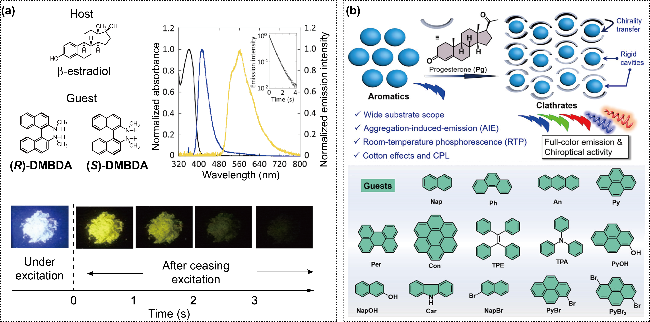
When circularly polarized materials are doped into a rigid matrix at a certain ratio, intramolecular or intermolecular interactions within the rigid matrix can effectively suppress molecular vibrations and quenching of triplet oxygen, thereby enhancing their room-temperature phosphorescence emission performance and even exhibiting excellent circularly polarized luminescence characteristics. As shown in Figure 3a, in 2016, Hirata's group[36]reported the successful realization of blue fluorescence at 420 nm and yellow phosphorescence at 560 nm at room temperature by doping the guest material N, N′-dimethyl-1,1′-binaphthyldiamine (DMBDA) into the host material β-estradiol. The longest phosphorescence lifetime reached 0.67 s, successfully constructing a host-guest doped CPRTP material. Due to the rigid environment and high barrier properties provided by β-estradiol, the resulting circularly polarized fluorescence (CPF) g fwas 4.5×10⁻⁴, and the phosphorescence g lumcould reach 2.3×10⁻³. Additionally, some matrices not only serve as building blocks for rigid environments but also function as chiral units, directly or indirectly emitting circularly polarized characteristics. The research group led by Xing Pengyao at Shandong University[37]reported a chiral host rigid matrix—progesterone (Pg)—and a series of planar-ring guest materials such as pyrene, preparing a series of thin films through host-guest doping. Progesterone exhibits co-crystallization behavior with many guests via CH-π interactions. In potassium bromide pellets, PyBr@Pg (1∶2, λ ex=340 nm) displays a blue circularly polarized luminescence spectrum with a negative signal around 450 nm, featuring an asymmetry factor of -2.1×10⁻³. This indicates that Pg compounds not only provide a chiral source but also stabilize triplet excitons due to their rigidity. This study achieved both chiral signal transfer and excellent circularly polarized fluorescence and phosphorescence emission (Figure 3b).
图3 羟基固醇类化合物:(a)主客体分子结构式;掺杂薄膜的吸收(黑线)、稳态发射(蓝线)和延迟光谱(黄线);掺杂材料的余辉照片[36];(b)孕酮主体材料的CPRTP分子构建;客体化合物的分子结构[37]

Fig.3 Hydroxysterols: (a) host-guest molecular structure formula; absorption (black line), steady-state emission (blue line) and delay spectrum (yellow line) of doped films; afterglow photos of doped materials[36];(b) CPRTP molecular construction of progesterone main material; molecular structure of guest compounds[37]

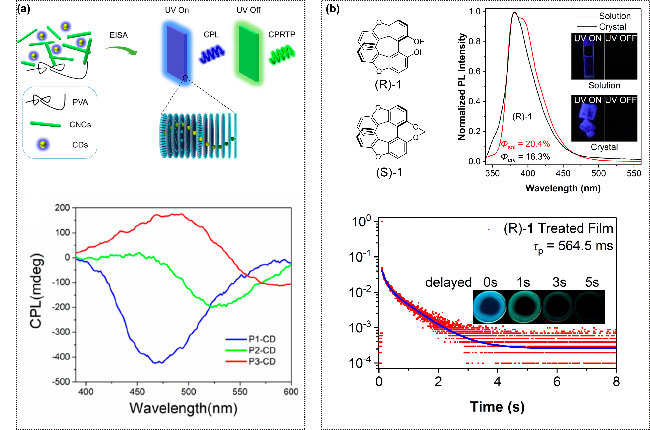
In addition to the aforementioned hydroxysterol compounds that can serve as rigid hosts for constructing CPRTP materials, a series of polymer materials have also become primary choices for rigid host materials due to their excellent biocompatibility and ease of processing. In 2020, Li Wei's research group[38]reported the preparation of hybrid chiral optical films using cellulose nanocrystals (CNCs) and polyvinyl alcohol (PVA) as the main components, with carbon dots (CDs) as luminescent guests, through an evaporation-induced self-assembly strategy. The hydrogen bonding interactions between CDs and the host materials stabilize triplet excitons, thereby suppressing non-radiative transition processes and simultaneously achieving dual emission of CPL and CPRTP (Figure 4a). By adjusting the CNC/PVA ratio in the hybrid film, a tunable photonic bandgap was achieved, resulting in CPL materials with reversible chirality, tunable wavelengths, and a fluorescence dissymmetry factor as high as -0.27. The triplet excitons generated by CDs were effectively stabilized within the chiral optical film environment, exhibiting a long lifetime of 103 ms and a phosphorescence dissymmetry factor as high as -0.47. In 2022, He Zikai's research group[39]reported the successful separation of dibenzofuran scaffolds—bidibenzo[b,d]furan scaffold (R)-1(( R )-1) and bidibenzo[b,d]furan scaffold (S)-1(( S )-1)—using PVA as the host material. The films prepared from these materials formed multiple strong intramolecular and intermolecular interactions, which suppressed molecular vibrations and slowed down non-radiative decay, thereby enhancing the intrinsic CPRTP emission of the molecules (Figure 4b). Experiments showed that the phosphorescent quantum yield of the film under room temperature conditions was 14.8%, with a maximum fluorescence dissymmetry factor of 0.12 and a longest lifetime of 0.56 s.
图4 PVA作为主体的CPRTP材料:(a)利用蒸发诱导自组装(EISA)策略制备的双CPL和CPRTP的杂化手性光子薄膜;CPL光谱[38];(b)客体R)-1S)-1分子结构式;PL光谱;R)-1和PVA掺杂前后的余辉照片和寿命[39]

Fig.4 PVA as the main CPRTP material: (a) dual-CPL and CPRTP hybrid chiral photonic film prepared by evaporation induced self-assembly (EISA) strategy; CPL spectrum[38]; (b) molecular structure formulas for R)-1 and S)-1; PL spectrum; afterglow photos and lifetime of R)-1 and PVA doping[39]

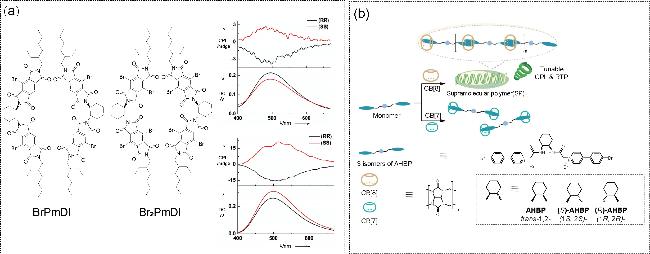
Similarly, PMMA is also an excellent choice for the common host material. In 2022, George's research group[40]also reported the preparation of chiral thin films using PMMA as the host material. They synthesized derivatives of (Pyromellitic diimides, PmDI)by combining fluorescent molecules with chiral cyclohexyldiamine, namely ( RR )-/( SS )-BrPmDIand ( RR )-/( SS )-Br 2 PmDI, achieving circularly polarized organic room-temperature phosphorescence emission (Figure 5a). Due to the large steric hindrance and rigid structure of the fluorescent molecules, molecular vibrations were suppressed, and in the doped PMMA thin films, the quenching effect of triplet oxygen was effectively inhibited, thereby significantly slowing down the non-radiative decay process of triplet excitons. By continuously optimizing the doping ratio of the thin film, they ultimately obtained a CPRTP material with a photoluminescence quantum yield of 17.5% and |g lum| values of 1.3×10⁻³and 4.0×10⁻³, respectively.
图5 PMMA作为主体的主客体CPRTP材料:(a)RR)-/(SS)-BrPmDIRR)-/(SS)-Br2PmDI的手性分子结构式;掺杂薄膜的CPL光谱和CD光谱[40];(b)以葫芦脲CB[8]为主体材料,AHBP三种手性异构体分子为客体,合成CPRTP螺旋型超分子聚合物构建示意图[41]

Fig.5 PMMA as a subject-guest CPRTP material: (a) RR)-/(SS)-BrPmDI and RR)-/(SS)-Br2PmDI. CPL and CD spectra of doped films[40]; (b) using cucurbit urea CB[8] as the main material and AHBP three chiral isomers as the guest, the synthesis of CPRTP helical supermolecule polymer was constructed[41]

In terms of host material selection, amphiphilic supramolecular cyclic polymers such as cucurbiturils are often used to encapsulate various luminescent materials, thereby providing a rigid environment. In 2021, Ma Xiang's research group[41]reported the synthesis of water-soluble helical CPRTP supramolecular polymers using cucurbituril CB[8] as the host material and three chiral isomer molecules of 1,1'-(((trans-cyclohexane-1,2-diyl)bis(azanediyl))bis(2-oxoethane-2,1-diyl))bis(4-(4-bromophenyl)pyridin-1-ium) (AHBP)as guests, employing a host-guest doping strategy (Figure 5b). When CB[8] was added dropwise to an aqueous solution of AHBP, spectral tests revealed a long-lived emission at 510 nm with a lifetime of 0.489 ms. ( S )-SPsand ( R )-SPsexhibited symmetrical CD spectra around 355 nm and CPL spectra across the entire emission band. The mirror-image effect observed in the CD spectra indicated that ( S )-SPsand ( R )-SPsabsorbed left and right circularly polarized light oppositely, with their g lumreaching 2.2×10⁻³. The chiral supramolecular polymer reported in this study, possessing both RTP and CPL functionalities, will provide a new design strategy for the preparation of intelligent flexible materials.
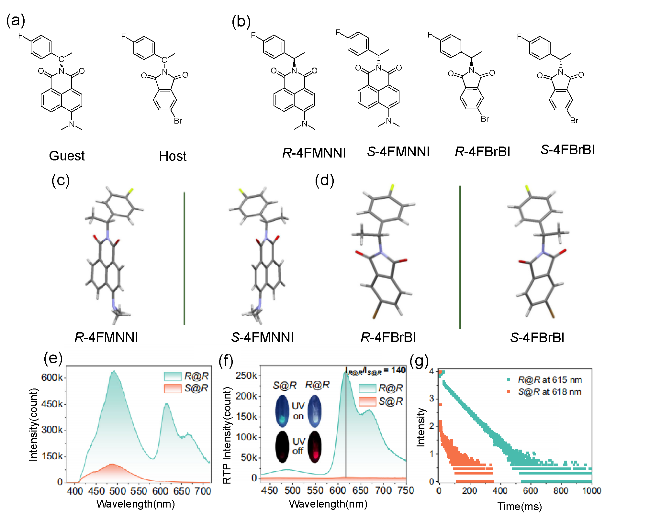
In 2023, Zhang Guoqing's research group[42]reported the construction of a host-guest doped RTP system using a chiral amino compound-modified phthalimide host and naphthalimide guest (Figure 6), which exhibited a chiral-selective RTP enhancement (CPE) phenomenon. Specifically, when the host and guest enantiomers were of the same chirality, the guest enantiomer in the host produced strong red RTP, whereas no significant RTP was observed in components with opposite chirality. This achieved an unprecedented RTP intensity difference exceeding 102-fold and enabled the differentiation of 98% of enantiomers. This phenomenon is likely attributed to chiral-related host-guest energy transfer in the excited state. Additionally, the authors demonstrated that the CPE phenomenon can be applied to the chiral recognition of highly enantioselective amino alcohols.
图6 (a, b)分子结构;(c, d)单晶分子结构;(e)R-4FBrBI在298 K下的稳态光谱和(f)延迟光谱;(g)R-4FBrBIR-4FMNNIS-4FMNNI的寿命图[42]

Fig.6 (a, b) Molecular structure; (c, d) single-crystal molecular structures; (e) steady-state spectrum of R-4FBrBI at 298 K and (f) delay spectrum; (g) life diagrams of R-4FMNNI and S-4FMNNI in R-4FBrBI[42]

In 2023, the research groups led by Lei Yunxiang and Huang Xiaobo from Wenzhou University, together with the research group led by Tao Ye from Nanjing University of Posts and Telecommunications[43],used polyvinylpyrrolidone (PVP) as the main matrix and introduced chiral groups into naphthalene, phenanthrene, and pyrene fluorescent powders, respectively, to construct CPRTP-doped systems emitting green, yellow, and red afterglow. The phosphorescent quantum yield of this doped system ranges from 7.3% to 13.6%, with a phosphorescence lifetime of 341 to 1017 ms, and g lumvalues ranging from 0.001 to 0.0021. By further simultaneously doping the three guests into PVP, a four-component doped material was obtained. Due to the different excitation wavelengths of the three guests, when the excitation wavelength is changed, the afterglow of the four-component doped material shifts from green to yellow and finally to red. This doped system provides valuable insights for the development of multicolor CPRTP materials.

2.2 Circularly Polarized Organic Small-Molecule CPRTP Material

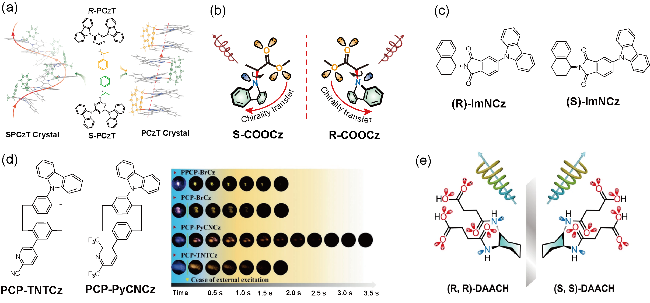
In 2018, the research group led by An Zhongfu[44]designed and synthesized a pair of chiral room-temperature phosphorescent molecules—(R/S)-9,9'-(6-(1-phenylethoxy)-1,3,5-triazine-2,4-diyl)bis(9H-carbazole) ( R/S -PCzT)—centered around a triazine structure with a central chiral unit of 1-phenylethanol, along with its racemic counterpart 9,9'-(6-(1-phenylethoxy)-1,3,5-triazine-2,4-diyl)bis(9H-carbazole) (PCzT) (Figure 7a). In the crystals of R -PCzTand PCzT, due to the presence of H-aggregation, they exhibit similar phosphorescent emission, with phosphorescence lifetimes exceeding 200 ms. However, in the crystals of S -PCzT, the chiral unit causes the molecules to extend into a continuous helical structure, which effectively restricts molecular motion. As a result, compared to the 229.0 ms phosphorescence lifetime of the racemic molecule PCzT, the lifetime is extended by nearly 80%, reaching 419.8 ms. Although the authors did not investigate the chiral luminescence properties of organic molecules, this work provides a novel approach for designing chiral organic materials with room-temperature phosphorescence and enhancing their chiral luminescence performance.
图7 (a)R/S-PCzT手性分子结构式和晶体堆积结构[44];(b)R/S-COOCz分子结构[45];(c)S)-ImNCzR)-ImNCz分子结构[46];(d)PCP-TNTCzPCP-PyCNCz手性室温磷光分子结构和晶体下的稳态和余辉照片[47];(e)RR)-DAACHSS)-DAACH分子结构[48]

Fig.7 (a) R/S-PCzT chiral molecular structure and crystal packing structure[44]; (b) R/S-COOCz molecular structure[45]; (c) S)- ImNCz and R)-ImNCz molecular structure[46]; (d) steady-state and afterglow photos of PCP-TNTCz and PCP-PyCNCz chiral room temperature phosphorescence molecular structures and crystals[47]; (e) RR)-DAACH and SS)-DAACH molecular structure[48]

In 2019, Chen Runfeng's research group[45]designed and synthesized a pair of CPRTP molecules—methyl-2-(9H-carbazol-9-yl) propanoate R/S -COOCz)(Figure 7b)—by connecting methyl 2-chloropropionate with carbazole through a simple C-N coupling reaction. This pair of chiral CPRTP molecules exhibits prominent RTP emission at 550 and 596 nm, with a phosphorescence lifetime of approximately 80 ms. Meanwhile, these two compounds also demonstrate distinct CPL emission characteristics, with a maximum phosphorescent |g lum| value of 0.0027. Furthermore, photoactivation effectively stabilizes the triplet excitons, extending the CPRTP lifetime from the original 80 ms to over 600 ms. Additionally, these photoactivated CPRTP molecules are highly stable, maintaining their properties for more than 2 hours at room temperature before gradually reverting to their original state at 50℃. This dynamic response of CPRTP is achieved through repeated cycles of photoactivation and deactivation. This work represents the first realization of a single-component, stimulus-responsive, reversible CPRTP phenomenon, providing important guidance for the development of dynamic, stimulus-responsive, chiral organic room-temperature phosphorescent materials.
In 2021, Xu Chao's research group[46]reported the synthesis of a pair of CPRTP molecules—( S )-ImNCzand ( R )-ImNCz—through esterification reactions of phthalic anhydride with (R)-(-)-1,2,3,4-tetrahydro-1-naphthylamine and (S)-(+)-1,2,3,4-tetrahydro-1-naphthylamine, respectively. By slow evaporation of the solvent, prismatic and block-shaped single crystals of ( S )-ImNCzand ( R )-ImNCzwere obtained, exhibiting different molecular packing modes. In these two distinct crystal morphologies, dual emission phenomena of TADF and RTP, as well as mechano-luminescence induced by helical chirality, were observed (Figure 7c). Notably, no persistent luminescence was observed in the block-shaped crystals, yet the helical arrangement of molecules resulted in pronounced mechano-luminescence. Conversely, the prismatic crystals did not exhibit mechano-luminescence; however, due to the smaller ΔE STpromoting the RISC process, they displayed TADF emission. Additionally, effective molecular packing in the prismatic crystals yielded a phosphorescence lifetime of 0.59 s at 600 nm, allowing for clear room-temperature phosphorescence emission. By controlling the temperature from 0 to 100℃, their afterglow color could be tuned from yellow to sky blue. More importantly, at room temperature, the blue crystals exhibited a relatively stable warm white afterglow lasting up to 2 seconds, with corresponding CIE coordinates of (0.327, 0.328). In circularly polarized luminescence, the different crystals formed by ( R/S )-ImNCzachieved fluorescence |g lum| values reaching the order of 10-3, with a maximum value of 2.58×10⁻³.
In 2019, Zheng Youxuan et al.[47]reported the preparation of a series of chiral small-molecule organic room-temperature phosphorescent materials based on the planar chiral unit [2.2]paracyclophane (PCP). These materials include 9-(43-Bromo-1,4(1,4)-dibenzenacyclohexaphane-12-yl)-9H-carbazole (PCP-BrCz), 9-(43-Bromo-1,4(1,4)-dibenzenacyclohexaphane-12-yl)-9H-carbazole (PPCP-BrCz), and electron-withdrawing units without halogens, such as 9-(43-(2,6-Bis(trifluoromethyl)pyridin-4-yl)-1,4(1,4)-dibenzenacyclohexaphane-12-yl)-9H-carbazole (PCP-TNTCz) and 5-(43-(9H-Carbazol-9-yl)-1,4(1,4)-dibenzenacyclohexaphane-12-yl)picolinonitrile (PCP-PyCNCz) (Figure 7d). Notably, compounds PPCP-BrCzand PCP-BrCzcan both achieve RTP emission in crystalline and amorphous states, whereas PCP-TNTCzand PCP-PyCNCzexhibit RTP characteristics only in the crystalline state. The bulky steric hindrance provided by the PCPunit helps suppress π‧‧‧π stacking and interactions between molecules, thereby inhibiting non-radiative transitions in the materials. As a result, PPCP-BrCzand PCP-BrCzshow strong phosphorescence emissions at around 550 and 600 nm, respectively, with lifetimes of 90.84 and 102.01 ms. Furthermore, through two different design strategies, the phosphorescence lifetime of CPRTP materials based on PCPwas increased from less than 0.1 s to over 0.5 s. In this work, the introduction of PCPendows the materials with exceptionally outstanding circularly polarized emission properties, with an gvalue in solution reaching up to -1.2×10⁻², the highest value reported so far for such materials. Additionally, the enantiomers separated by chiral resolution exhibit the same long afterglow properties as the racemic mixture.
In 2022, the research groups led by Tao Ye and Chen Runfeng from Academician Huang Wei's team[48]proposed a molecular design strategy for chiral cluster crystals. By introducing chiral units into phosphorescent cluster aggregates, they designed and synthesized a CPRTP material with a 1,2-diaminocyclohexane core, namely trans-(1R, 2R)-cyclohexanedi(3-aminocarbonylpropionic) acid (( R , R )-DAACH) and trans-(1S, 2S)-cyclohexanedi(3-aminocarbonylpropionic) acid (( S , S )-DAACH). The numerous intra-plane and inter-layer molecular interactions within the chiral cluster crystals not only effectively suppress the non-radiative transition of triplet excitons but also create strong spatial conjugation, thereby efficiently constructing size-dependent cluster-triggered circularly polarized organic room-temperature phosphorescent emission centers (Figure 7e). Consequently, these chiral cluster crystals can achieve single-component color-tunable circularly polarized organic room-temperature phosphorescence under different light excitations. As the excitation wavelength shifts from 240 nm to 360 nm, the color of their chiral afterglow emission can be widely adjusted within the range of 470–530 nm. Meanwhile, their lifetime reaches up to 587 ms, and the asymmetry factor is approximately 2.3×10⁻³.
In 2023, Tao Ye's research group[49]constructed a single-component color-tunable CPRTP material—R/S-3-(9H-carbazol-9-yl)-3-oxo-N-(1-phenylethyl) propenamide ( R/S -CzCOPEA)—using a β-diketone structure as the linking unit and incorporating chiral phenylethylamine and carbazole units. This class of compounds achieved an ultra-long lifetime of 946.44 ms, and it was found that as the delay time increased, the color of the CPRTP material shifted from yellow to green, with g lumreaching 10-3.

2.3 Organic ionic crystal-type CPRTP material

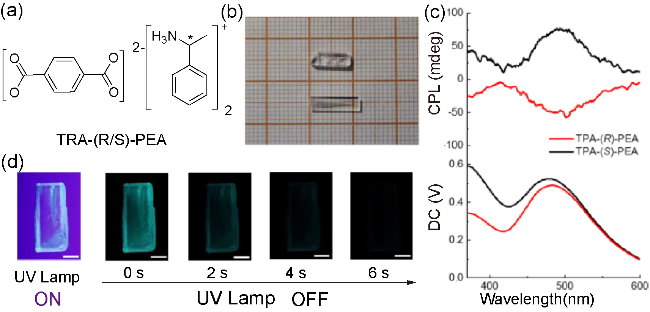
In 2017, Duan Pengfei's research group[50]reported a pair of chiral organic ionic crystals prepared from terephthalic acid (TPA)and enantiomeric phenylethylamine (PEAs)— TPA-( R/S )-PEA(Figure 8). Among them, the TPA-( R )-PEAcrystal exhibited phosphorescent emission at both 405 and 500 nm, with lifetimes of 2.11 and 862 ms, respectively. Meanwhile, as the excitation wavelength increased, the emission wavelength of the organic ionic crystal showed a corresponding red shift. Crystal structure analysis revealed that the planar TPA molecules in the ionic crystal system underwent distortion, and after distortion, the carboxyl groups in the molecules strongly interacted with the amino groups in the chiral PEAs, inducing circularly polarized luminescence (CPL) in TPA. A series of tests demonstrated that the ionic crystal simultaneously exhibited CPL fluorescence and CPL room-temperature phosphorescence, with a |g lum| value of 1.1×10⁻²for circularly polarized fluorescence at 370 nm, and a g lumvalue reaching 1.5×10⁻²and -2.0×10⁻²for the green phosphorescence at 500 nm. This work confirmed that the room-temperature phosphorescent emission mechanism is constrained by the ordered crystal lattice environment, and chirality can be generated through chiral induction during the formation of organic ionic crystals, with the chiral signal being amplified by orders of magnitude within the system.
图8 (a)手性离子晶体的结构式和晶体照片;(b)时间依赖的余辉照片和(c)CPL光谱和(d)TPA-(R)-PEA晶体在紫外光照射下和激发后不同时间的荧光图像[50]

Fig.8 (a) Structural formulas and photographs of chiral ionic crystals; (b) time-dependent afterglow photographs and (c) CPL spectra and (d) fluorescence images of TPA-(R)-PEA crystals under UV irradiation and at different times after excitation[50]

2.4 Circularly Polarized Organic Polymer CPRTP Material

To date, CPRTP materials have typically been limited to the crystalline state of small molecules and doping with rigid matrices. However, materials prepared by these methods often suffer from inherent defects, such as poor flexibility in crystalline materials, unavoidable phase separation, and the careful selection required for rigid materials in doped systems. Organic polymer room-temperature phosphorescent materials, with their excellent stretchability, flexibility, and processability, are ideal candidates for overcoming these issues. Effectively connecting chiral chromophores with rigid polymers is an effective approach to achieving polymer-based CPRTP.
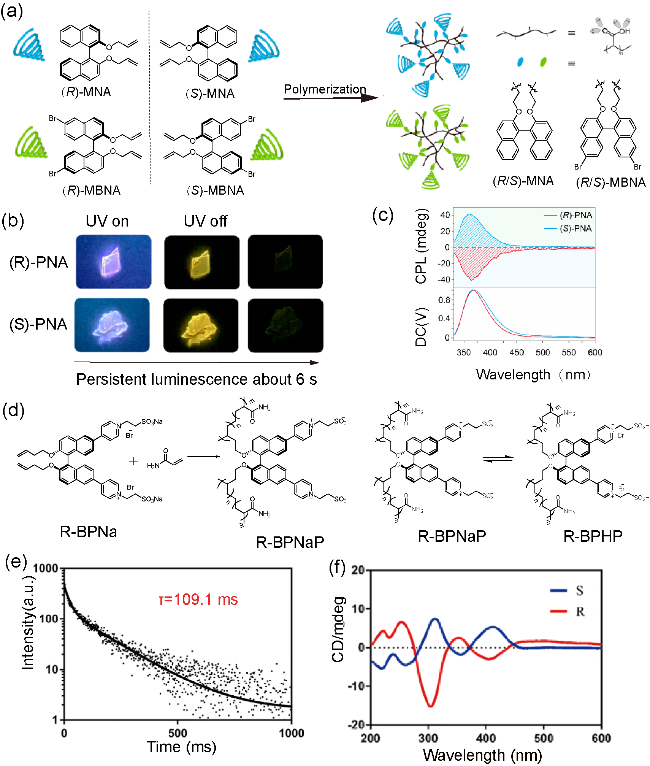
In 2021, the team led by Academician Huang Wei, including An Zhongfu et al.[51],selected polyacrylic acid (PAA) as the polymer matrix and incorporated axial chiral chromophore binaphthol into the polymer chain via free-radical cross-linking polymerization, achieving circularly polarized organic phosphorescence from an amorphous copolymer (Figure 9a). Under room temperature conditions, these chiral copolymers exhibited a maximum phosphorescence lifetime of 0.68 s and a maximum circularly polarized phosphorescence efficiency of 30.6%. Notably, after introducing the heavy atom bromine into binaphthol, the phosphorescence efficiency of the copolymer significantly improved, and dual emission of fluorescence and phosphorescence was even observed simultaneously in steady-state spectra, making the phosphorescent signal easily detectable from CPL spectra, with a maximum luminescence asymmetry factor reaching 9.4×10⁻³. According to experimental and theoretical results, the effective coupling between axial chiral chromophores and adjacent conjugated groups is the primary reason for generating chiral ground and excited states in the copolymer.
图9 (a)CPRTP共聚物和轴向手性分子结构;(b)薄膜在开关激发光源下的照片;(c)CPL光谱[51];(d)手性共聚物的形成过程和动态响应示意图;(e)共聚物磷光寿命衰减曲线和(f)CD光谱[52]

Fig.9 (a) CPRTP copolymer and axial chiral molecular structure; (b) photographs of the film under a switched excitation light source; (c) CPL spectrum[51]; (d) schematic diagram of the formation process and dynamic response of chiral copolymers; (e) copolymer phosphor life decay curve and (f) CD spectrum[52]

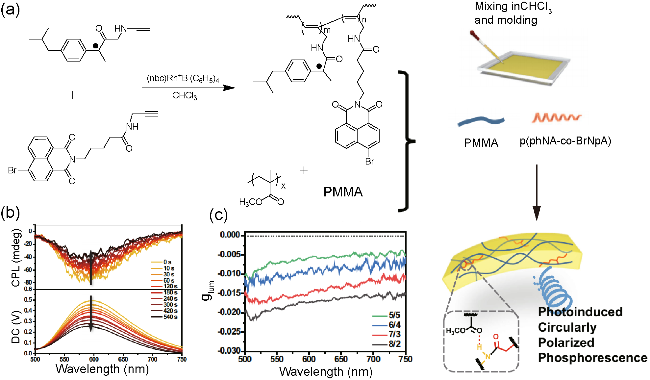
In existing reports, room-temperature phosphorescent materials with dynamic regulation have attracted widespread attention due to their potential applications in intelligent fields. Ma Xiang's research group[52]reported a polymer R/S -BPNaPobtained by copolymerizing binaphthol derivatives R/S -BPNawith acrylamide at a molar ratio of 1:50. Under the stimulation of inorganic acids, these materials exhibit corresponding chiral luminescence changes (Figure 9d). The fluorescence emission spectrum and RTP emission spectrum of the copolymer R -BPNaPindicate that under 350 nm excitation, fluorescence and phosphorescence peaks at 500 and 574 nm are observed, with the longest lifetime reaching 109.1 ms. The yellow afterglow visible to the naked eye lasts for about 2 seconds. Additionally, the authors found that R/S -BPNaPexhibits stimulus-responsive behavior towards different pH values. Spectral results show that after adding HBr to the polymer, the RTP emission intensity significantly increases, while the fluorescence intensity correspondingly decreases. The circularly polarized luminescence properties of the R/S -BPNaPpolymer were also tested; the CPL spectrum shows |g lum| values of 8.4×10⁻⁴and 4.0×10⁻⁴at emissions of 500 and 570 nm, respectively. In 2022, they again reported[53]a chiral helical polyacetylene film with an optically programmable circularly polarized phosphorescent switch (Figure 10). The chiral polymerp(phNA- co -BrNpA), obtained by copolymerizing a chiral 4-isobutylphenyl-N-propanamide derivative (phNA) with a chromophore 4-bromo-1,8-naphthalimide derivative (BrNpA), was uniformly dispersed in a PMMA film, promoting the ordered arrangement of polyacetylene. Testing revealed a distinct helical structure and exhibited circularly polarized emission. The results indicate that the presence of chiral helical polymers is essential for displaying CPL. These polyacetylenes play a crucial role in the propagation of CPL, possessing remarkable optical properties, with an absorption asymmetry factor of 0.029 and an emission asymmetry factor of 0.019.
图10 (a)螺旋薄膜的结构和制备过程示意图;(b)CPL和(c)glum光谱[53]

Fig.10 (a) Schematic diagram of the structure and preparation process of the spiral film; (b) CPL and (c) glum spectra[53]

In 2022, Chen Chuanfeng's research group[54]built upon their earlier work on axially chiral biphenyl delayed fluorescence molecules and designed a linear axially chiral conjugated polymer R/S -P12-BCzBCNwith both ultra-long afterglow and strong circularly polarized luminescence at low temperatures through a one-step carbon-carbon coupling polymerization. The study found that this polymer exhibited a phosphorescence lifetime of 2.2 s and a phosphorescence quantum yield of 68.2% at 77 K. After removing the 365 nm UV light source, it could emit light at high brightness for 33 seconds. Furthermore, at 77 K, the chiral polymer showed strong circularly polarized luminescence signals at both the fluorescence and phosphorescence peaks, with an asymmetric luminescence factor at the fluorescence peak reaching the order of 10-2.
One of the most effective strategies for achieving CPL is to use chiral supramolecular assemblies. Through this approach, a chiral environment can be created for chiral or achiral emitters, thereby achieving high g values. An advantage of using self-assembled structures is that they are held together by non-covalent interactions, allowing them to respond to external stimuli such as pH, light, heat, and electric fields.
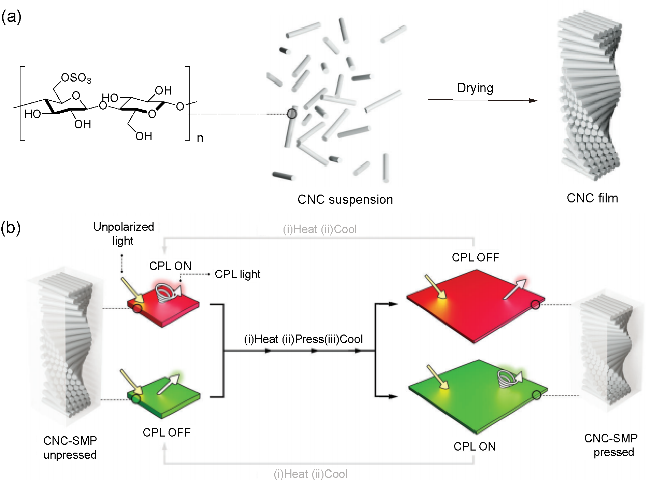
In 2023, MacLachlan's research group[55]reported cellulose nanocrystal shape-memory polymers (CNC-SMPs) with luminescent components, capable of achieving mechanically responsive CPL (Figure 11). By adjusting the swelling ratio of the CNCfilm precursor, a controlled polymerization strategy for structurally tunable CNC-SMPswas proposed. Luminescent monomers were incorporated to prepare luminescent CNC-SMPs. When the material was heated above its glass transition temperature (T g), mechanical stress could be applied to compress the chiral nematic structure of the CNC-SMPssamples. Through thermal pressing and subsequent heating recovery, the luminescent CNC-SMPsexhibited switchable CPL emission. By controlling the polymerization strategy and incorporating luminescent monomers, luminescent CNC-SMPswere prepared. The chiral molecules of CNCin the material generated photonic band gaps. By controlling the photonic band gap or emission wavelength of the luminescent CNC-SMPs, CPL emission at different wavelengths and with high asymmetry factors (g lum) could be precisely tuned. After thermal pressing and heating recovery, the luminescent CNC-SMPscould reversibly switch CPL emission. The pressure-responsive CPL with tunable gvalues originated from the pressure-responsive photonic band gap. CNC-polymer composites have numerous applications in stimulus-responsive CPL systems and hold promise for use in thermally sensitive switches, robotic intelligent skins, and information encryption. This work has significant implications for the future design of CPL materials.
图11 (a)CNC的化学结构示意图和(b)CNC薄膜的手性向列结构[55]

Fig.11 (a) The chemical structure of the CNC and (b) the chiral to column structure of CNC[55]

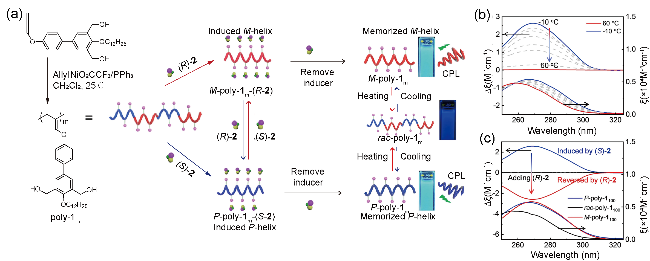
In the same year, Wu Zongquan's research group[56]reported a series of achiral polyphenylene derivatives with controlled molecular weight and low dispersity, which could be induced into single-handed helical structures using chiral amines and alcohols (Figure 12). Even after removal of the chiral inducer, the induced single-handed helix retained its handedness. The switchable induction process was visually observable: the achiral polymer exhibited blue emission at 365 nm, whereas the induced single-handed helix showed cyan emission with distinct circularly polarized luminescence. The elimination of helix inversion in the single-handed helix improved thermal stability and enhanced intermolecular interactions. The single-handed helices could gel in various solvents and recognize themselves. Gels composed of homochiral helices adhered to each other and exhibited self-healing properties, while gels made from heterochiral helices barely adhered. This study provides a strategy for rapidly preparing novel optically active materials from achiral functional materials, with potential applications in chiral separation, information storage, and encryption.
图12 (a)化学结构示意图和(b,c)CD光谱[56]

Fig.12 (a) Chemical structure diagram and (b, c) CD spectra[56]

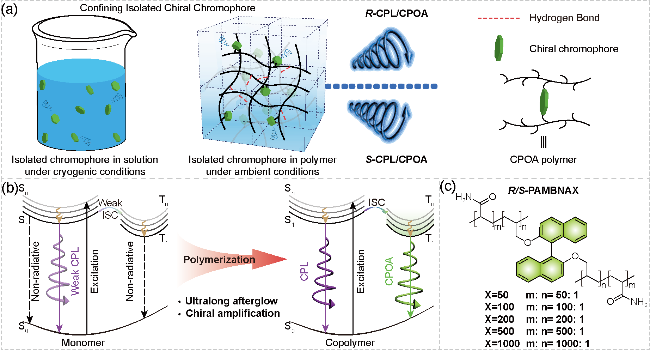
In 2024, the research group led by Tao Ye at Nanjing University of Posts and Telecommunications[57]obtained circularly polarized organic afterglow (CPOA) polymers with dual fluorescence and phosphorescence by cross-linking dinaftol derivatives R-2,2'-bis(allyloxy)-1,1'-binaphthalene ( R -ABNA) and S-2,2'-bis(allyloxy)-1,1'-binaphthalene ( S -ABNA) with a rigid polyacrylamide host. The polymers exhibited a maximum luminescence dissymmetry factor of 1.06×10⁻²and a lifetime of up to 1.08 s (Figure 13). By controlling the covalently self-separated chiral chromophores within polymers featuring rigidity and strong intermolecular interactions, the authors achieved CPOA, effectively suppressing the non-radiative decay of chiral triplet excitons. The multifunctionality, ease of large-area processing, and unique CPOA properties of these polymers open up potential applications ranging from one-dimensional CPOA fibers to two-dimensional and three-dimensional displays, and even multi-channel information encryption devices.
图13 (a) 低温条件下分离手性发色团在溶液和常温条件下聚合物的示意图; (b) 环境条件下手性单体和共聚物的简化Jablonski能量图变化; (c) 共聚物R/S-PAMBNAX (X=50, 100, 200, 500, 1000)的分子结构[57]

Fig.13 (a) Schematic diagram of separation of chiral chromophore in solution at low temperature and polymer at room temperature. (b) Simplified Jablonski energy diagram changes for the secondary monomers and copolymers under environmental conditions. (c) Molecular structure of copolymer R/S-PAMBNAX (X=50, 100, 200, 500, 1000)[57]

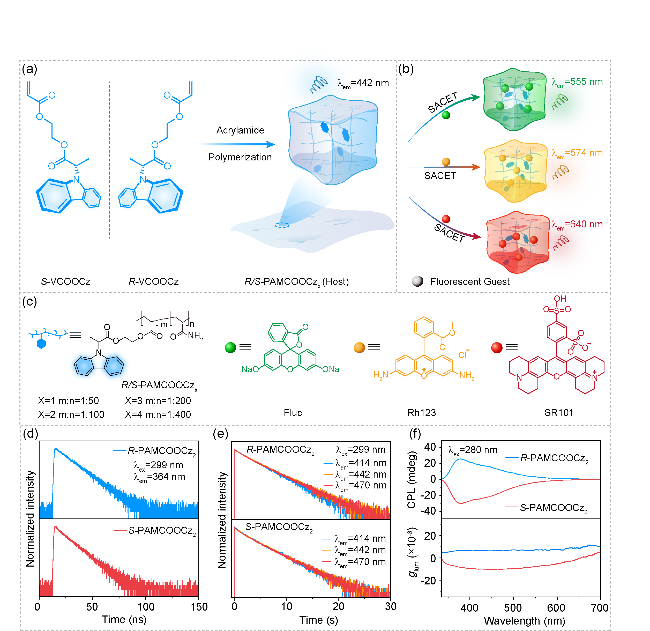
In 2024, the research group led by Tao Ye at Nanjing University of Posts and Telecommunications[58]proposed a simple method for obtaining blue CPRTP materials by incorporating covalently self-constrained independent chiral chromophores into polymers (Figure 14). Vinyl acrylamide was polymerized with R/S-2-((2-(9H-carbazol-9-yl)propanoyl)oxy)ethyl acrylate ( R/S -VCOOCz), and the formation of hydrogen bonds within the polymer enabled the chiral chromophores to maintain a distinct, independent, and stable molecular state. This resulted in blue emission at 414 nm, a lifetime of 3.0 s, and an emission asymmetry factor of ~10-2. Leveraging the afterglow and chiral characteristics, water-soluble achiral fluorescent dyes were physically mixed into the blue chiral polymer via chiral transfer, yielding a series of full-color CPOA systems. The potential applications of these materials in areas such as information encryption and anti-counterfeiting, functional fibers, and stereoscopic displays were also explored.
图14 (a) 通过在聚合物中分离手性发色团的CPOA共聚物;(b) 获得全彩CPOA聚合物的余辉和手性能量转移(SACET);(c) PAMCOOCzX (X=1~4)、荧光染料荧光素钠(Fluc)、罗丹明123 (Rh123)、磺胺丹(SR101)的分子结构;(d) 荧光和(e)余辉衰减谱;(f) CPL(上图)和相应的glum(下图)[58]

Fig. 14 (a) CPOA copolymers by separating chiral chromophores in the polymer; (b) obtain the afterglow of full-color CPOA polymer and hand energy transfer (SACET); (c) the molecular structure of PAMCOOCzXX = 1 ~ 4), fluorescent dye sodium fluorescein (Fluc), Rhodamine 123 (Rh123), sulfamedane (SR101); (d) fluorescence and (e) afterglow attenuation spectra; (f) CPL (above) and the corresponding glum (below)[58]

2.5 Supramolecular self-assembled CPRTP materials

In recent years, an increasing number of studies have demonstrated that CPL materials with excellent performance can be successfully prepared by applying chiral supramolecular co-assembly strategies under controlled liquid crystal (LC) media conditions. Notably, this unique chiral co-assembly process combines orderliness and mobility at the molecular level.
In 2023, the research groups led by Lu Yanqing at Nanjing University and Zhao Qiang at Nanjing University of Posts and Telecommunications[59]introduced a system composed of RTP polymers and chiral helical superstructures. This system constructs a long-lived RTP-CHS system based on self-assembled chiral helical superstructures (Chiral helical superstructure, CHS), achieving g lumas high as 1.49 and a phosphorescence lifetime of 735 ms. The system exhibits excellent stability under multiple cycles of light irradiation and thermal treatment, and is further applied in the field of information encryption.
In 2023, Xie Helou's research group[60]designed and synthesized a series of chiral compounds—(R/S)-2,20-bis(4-(2-(dibenzo[b,d]furan-n-yl)-9H-carbazol-9-yl)butoxy)-1,10-binaphthalene (( R/S -B- n -CzO, n=4, 8, and 12). This series of compounds combines binaphthol with carbazole-dibenzofuran for the preparation of CPRTP materials. The resulting compounds exhibit fluorescence quantum yields as high as 52.97%. By doping the compound ( R -B-4-CzO) into the commercial liquid crystal monomer LC-242, a constrained phosphorescent monomer was prepared through liquid crystal self-assembly and partial UV cross-linking, yielding a CPRTP material with a maximum g lumof 0.098 for the resulting liquid crystal polymer network.
In 2024, Deng Jianping's research group[61]achieved full-color CPRTP with an ultra-high g lumin a cholesteric polymer superhelix network composed of cholesteric liquid crystalline polymers and chiral helical polymers (CHP). By leveraging the strong helical forces generated through cogeneration, the resulting polymer cholesteric superhelix network exhibits remarkable optical activity. The authors employed a simple bilayer structure consisting of a cholesteric superhelix film and a phosphorescent film, successfully achieving CPRTP emission in blue, green, yellow, and red colors, with g lumvalues of 1.43, 1.39, 1.09, and 0.84, respectively.
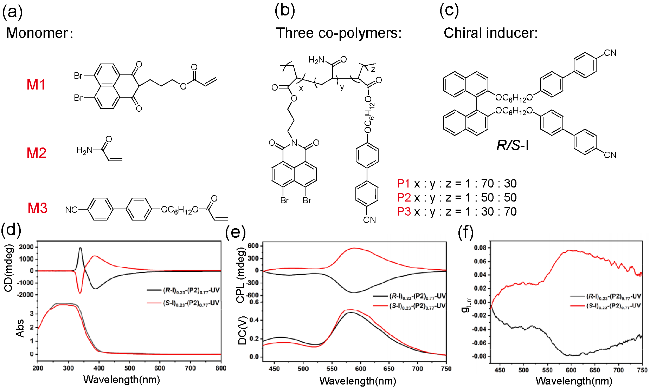
In 2024, the research group led by Cheng Yixiang[62]designed and synthesized three achiral copolymers, P1, P2, and P3. These three copolymers were co-assembled with the chiral inducer R/S-I to form three types of membranes: ( R/S-I) m-(P1/P2/P3) n. Among them, P2/P3 self-assembled into nematic liquid crystal (N-LCs), while P1 is an amorphous copolymer (Figure 15). The dilute solutions of these three copolymers, P1/P2/P3, all exhibited weak dual-phosphorescent emission characteristics at 77 K. Under the regulation of photothermal synergy, the co-assembled membranes showed rapid photochromic properties and strong phosphorescent emission behavior. Specifically, the CPRTP efficiency of ( R/S-I)0.23-(P2)0.77was relatively high (λ em=603 nm, |g em|=7.84×10⁻², Φ Phos=3.35%), which was attributed to the formation of regular helical nanofibers. Furthermore, after irradiation at 373 K, Φ Phosincreased to 12%.
图15 (a) M1、M2和M3单体;(b) 三元共聚物; (c) 手性诱导剂R/S-I; (d) 共组装膜的CD和(e) CPL光谱; (f)共组装膜的glum曲线[62]

Fig.15 (a) M1, M2 and M3 monomers; (b) terpolymer; (c) chiral inducer R/S-I; (d) CD and (e) CPL spectra of co-assembled films; (f) glum curve of the co-assembled film[62]

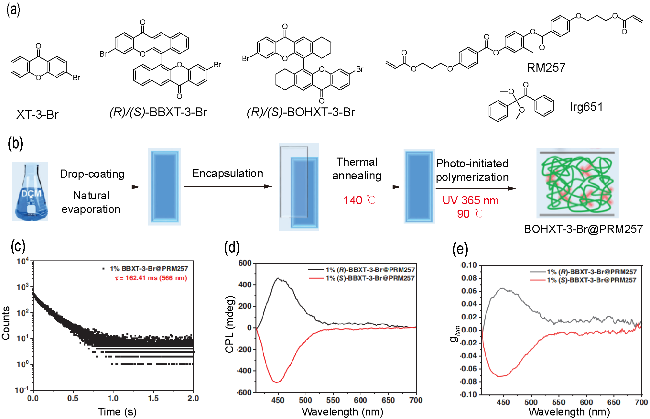
In 2024, Zheng Wenhua's research group[63]designed and synthesized two pairs of axially chiral emitters, ( R )/( S )-BBXT-3-Brand ( R )/( S )-BOHXT-3-Br(Figure 16), using bromoanthrone as the starting material. By thermal annealing and photo-induced polymerization, the emitters were mixed with a liquid crystal monomer (PRM257) to obtain a chiral self-assembled liquid crystal polymer (PRM257) framework. Both BBXT-3-Br@PRM257and BOHXT-3-Br@PRM257exhibited excellent room-temperature phosphorescence properties. Among them, the enantiomers of BBXT-3-Br@PRM257showed a phosphorescence lifetime of 162.41 ms and emitted blue CPL (λ em=450 nm, Φ FL=1.3%, |g FL|=0.071). Meanwhile, BOHXT-3-Br@PRM257 emitted red RTP (τ=98.83 ms) and strong CPRTP characteristics (λ em=612 nm, Φ Phos=0.45%, |g RTP|=0.057).
图16 (a) 化学结构;(b) 滴涂、自然蒸发、封装、热退火和光引发聚合过程;(c) 寿命图;BBXT-3-Br@PRM257在室温下的(d) CPL光谱;(e) glum曲线[63]

Fig.16 (a) Chemical structure; (b) drop coating, natural evaporation, encapsulation, thermal annealing and photoinitiated polymerization processes; (c) life chart; BBXT-3-Br@PRM257 (d) CPL spectrum at room temperature; (e) glum curve[63]

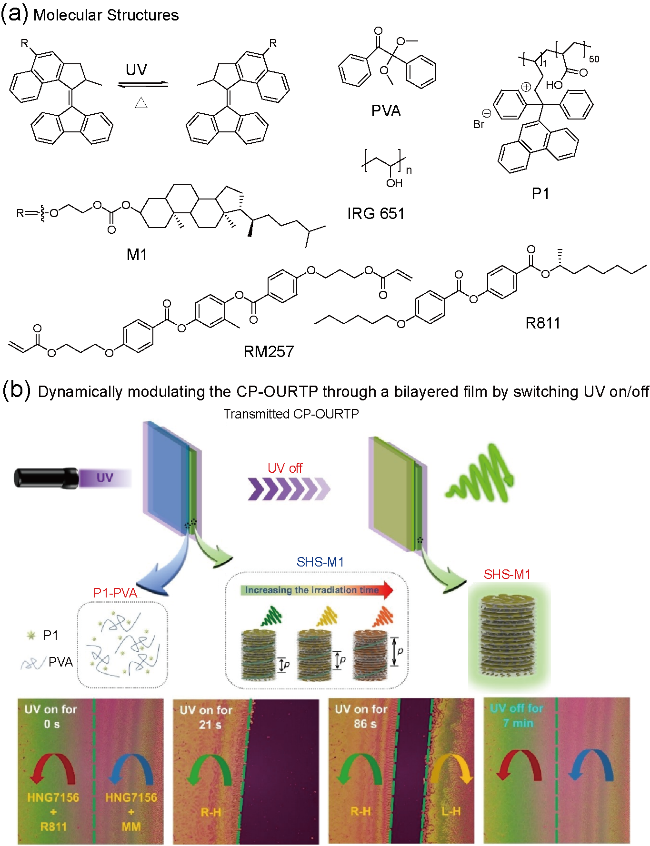
In 2024, Zhao Qiang, Li Bingxiang, Ma Yun from Nanjing University of Posts and Telecommunications, and Lu Yanqing from Nanjing University[64]successfully developed an organic ultra-long room-temperature phosphorescent system with a circular polarization asymmetry factor (g lum) of 1.38 and a decay time of 805 ms by constructing a bilayer membrane structure consisting of an organic room-temperature phosphorescent polymer (P1) layer and a soft helical superstructure layer doped with molecular motors (M1) (Figure 17). By further controlling the system temperature and illumination time, the g lumvalue can be dynamically and reversibly tuned between 0.6 and 1.38. This approach provides a new pathway for achieving dynamic regulation of the circularly polarized organic room-temperature phosphorescence g lum.
图17 (a) 材料的化学结构;(b) 室温磷光聚合物-聚乙烯醇(P1-PVA)层组成的双层膜动态调节CP-OURTP;在不同的紫外照射时间下,用填充CLC (右侧)和3 wt% R811(左侧)的HNG7156平面对准池对接触制备样品进行光驱动手性反演的POM图像[64]

Fig.17 (a) The chemical structure of the material; (b) CP-OURTP is dynamically regulated by a two-layer membrane composed of room temperature phosphorescent polymer-polyvinyl alcohol (P1-PVA) layer; POM images of light-driven manual inversion of contact preparation samples were performed with HNG7156 planar alignment cells filled with CLC (right) and 3 wt% R811 (left) at different UV irradiation times[64]

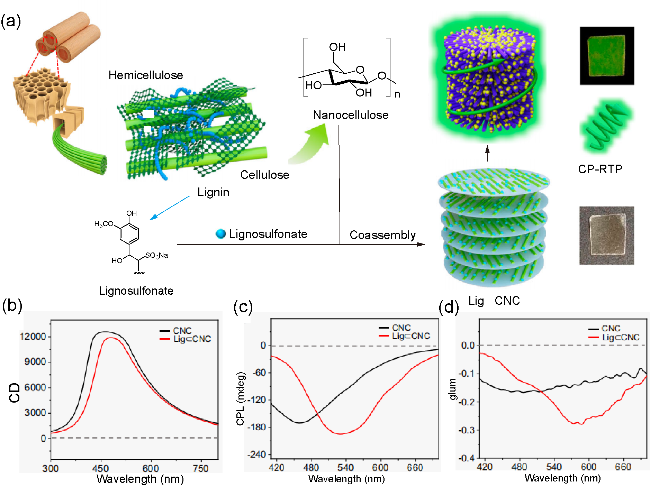
In 2024, the research group led by Chen Zhijun[65]designed a bio-based film with circularly polarized luminescence and room-temperature phosphorescence (Figure 18). Phosphorescent lignosulfonate biomolecules were co-assembled with cellulose nanocrystals to form a chiral structure. The sulfonated lignin captured the chirality generated by the cellulose nanocrystals within the film, emitting circularly polarized phosphorescence with a luminescence dissymmetry factor of 0.21 and a phosphorescence lifetime of 103 ms. This study provides additional possibilities for designing environmentally friendly circularly polarized organic room-temperature phosphorescent systems. Compared to most organic phosphorescent materials, this chiral phosphorescent system exhibits phosphorescent stability and does not show significant degradation under extreme chemical conditions. Meanwhile, the luminescent film is resistant to water and humid environments but can be completely biodegraded in soil conditions within 16 days. The introduced bio-based, eco-friendly circularly polarized phosphorescent system is expected to open up numerous opportunities, such as information processing and anti-counterfeiting displays.
图18 (a) 可持续圆偏振室温磷光(CPRTP)的制备示意图;(b) CD光谱;(c) 在365 nm光下激发的CNC (黑线)和CNC (红线)薄膜的圆偏振发光(CPL)和(d)发光不对称因子(glum)曲线[65]

Fig.18 (a) Schematic preparation of sustainable circularly polarized room temperature phosphorescence (CPRTP); (b) CD spectrum; (c) Circularly polarized luminescence (CPL) and (d) Luminescence asymmetry factor (glum) curves of CNC (black line) and CNC (red line) films excited at 365 nm light[65]

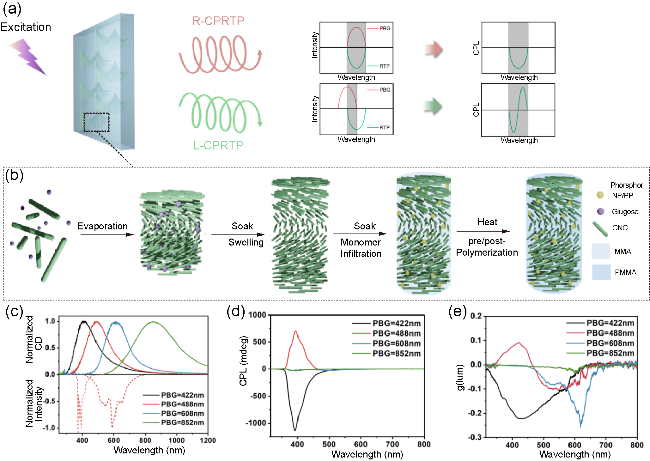
In 2024, Ye Chunhong's research group[66]successfully constructed CPRTP materials (Figure 19) by infiltrating polycyclic aromatic hydrocarbons (naphthalene and pyrene)-doped polymethyl methacrylate into cellulose nanocrystal films. The g lumvalue in these materials can be tuned within a range of -0.49 to 0.15, with a phosphorescence decay time of up to 8 seconds. Dynamic tuning, including on/off and positive/negative signal switching between CPRTP and CPFL, was achieved through oxygen consumption induced by UV irradiation, thereby reducing the impact of triplet oxygen quenching. These findings hold great promise for applications in information security, stereoscopic displays, and chiral polarizers.
图19 (a, b) 掺杂多环芳烃的CNCs杂化膜的制备工艺;(c) 不同PBGs的PP-CNC薄膜的CD光谱; (d) CPL光谱;(e) 发光不对称因子(glum)曲线[66]

Fig.19 (a, b) Preparation process of CNCs hybrid film doped with PAHs; CD spectra (c), CPL spectra (d) and glum spectra (e) of PP-CNC Films with different PBGs[66]

3 Conclusion and Outlook

In summary, CPRTP materials, possessing both circularly polarized luminescence and room-temperature phosphorescent properties, have broad applications in the field of optoelectronic functional materials. Research on RTP materials with circularly polarized luminescence has made significant progress in recent years. Nevertheless, there are still many issues that need to be addressed in CPRTP materials:
(1) CPRTP small-molecule materials have a limited number of molecules, with only a few guiding strategies for molecular design and synthesis. They face challenges such as crystal dependence, inability to form films, and a phosphorescent lifetime that currently reaches at most around 1 second, which is unfavorable for the practical application of CPRTP materials.
(2) In host-guest doped CPRTPs, most chiral luminescent molecules achieve circularly polarized luminescence by being doped into a rigid matrix. Achieving efficient luminescence and a high g lumoften presents certain challenges. It remains to be seen whether appropriately enhancing intermolecular interactions (such as hydrogen bonding and π-π interactions) between the host and guest, or adjusting the doping ratio and concentration between them to reduce molecular self-quenching effects, can lead to efficient luminescence and a higher asymmetry factor.
(3) Constructing a rigid molecular environment to suppress non-radiative decay and stabilize triplet excitons is relatively challenging. Currently, organic room-temperature phosphorescent materials with circularly polarized luminescence show increasingly broad prospects in strategies such as host-guest doping, small molecules, polymers, ionic crystals, and supramolecular self-assembly. These materials with circularly polarized luminescence have extensive potential applications in areas like 3D displays, quantum communication, and information encryption, and are increasingly being applied in daily life and intelligent technologies.
[1]
Zhao W J, He Z K, Tang B Z. Nat. Rev. Mater., 2020, 5(12): 869.

[2]
Guo J J, Yang C L, Zhao Y L. Acc. Chem. Res., 2022, 55(8): 1160.

[3]
Shi H F, Yao W, Ye W P, Ma H L, Huang W, An Z F. Acc. Chem. Res., 2022, 55(23): 3445.

[4]
Xu S, Chen R F, Zheng C, Huang W. Adv. Mater., 2016, 28(45): 9920.

[5]
Peng Q, Ma H L, Shuai Z G. Acc. Chem. Res., 2021, 54(4): 940.

[6]
Nie H G, Wei Z, Ni X L, Liu Y. Chem. Rev., 2022, 122(9): 9032.

[7]
Yang X, Waterhouse G I N, Lu S Y, Yu J H. Chem. Soc. Rev., 2023, 52(22): 8005.

[8]
Li Q Q, Li Z. Adv. Sci., 2017, 4(7): 1600484.

[9]
An Z F, Zheng C, Tao Y, Chen R F, Shi H F, Chen T, Wang Z X, Li H H, Deng R R, Liu X G, Huang W. Nat. Mater., 2015, 14(7): 685.

[10]
Tao Y, Chen R F, Li H H, Yuan J, Wan Y F, Jiang H, Chen C L, Si Y B, Zheng C, Yang B C, Xing G C, Huang W. Adv. Mater., 2018, 30(44): 1803856.

[11]
Singh M, Shen K, Ye W P, Gao Y H, Lv A Q, Liu K, Ma H L, Meng Z G, Shi H F, An Z F. Angew. Chem. Int. Ed., 2024, 63(14): e202319694.

[12]
Cong Z X, Han M M, Fan Y Y, Fan Y H, Chang K, Xiao L Y, Zhang Y F, Zhen X, Li Q Q, Li Z. Mater. Chem. Front., 2022, 6(12): 1606.

[13]
Yan X, Peng H, Xiang Y, Wang J, Yu L, Tao Y, Li H H, Huang W, Chen R F. Small, 2022, 18(1): 2104073.

[14]
Dou X Y, Wang X, Xie X L, Zhang J, Li Y, Tang B. Adv. Funct. Mater., 2024, 34(23): 2314069.

[15]
Gong Z K, Xu H. Prog. Chem., 2023, 34(11): 2432.

[16]
Xu X, Yan B. Phys. Chem. Chem. Phys., 2023, 25(3): 1457.

[17]
Wang H, Shi H F, Ye W P, Yao X K, Wang Q, Dong C M, Jia W Y, Ma H L, Cai S Z, Huang K W, Fu L S, Zhang Y Y, Zhi J H, Gu L, Zhao Y L, An Z F, Huang W. Angew. Chem. Int. Ed., 2019, 58(52): 18776.

[18]
Zhou B, Yan D P. Adv. Funct. Mater., 2019, 29(4): 1807599.

[19]
Zheng H, Zhang Z Y, Cai S Z, An Z F, Huang W. Adv. Mater., 2024, 36(18): 2311922.

[20]
Gan N, Shi H F, An Z F, Huang W. Adv. Funct. Mater., 2018, 28(51): 1802657.

[21]
Zhang Y Q, Chen L, Liu B, Yu S P, Yang Y Z, Liu X G. Adv. Funct. Mater., 2024, 34(25): 2315366.

[22]
Liao Q Y, Li Q Q, Li Z. Adv. Mater., 2023, DOI: 10.1002/adma.202306617.

[23]
Mei J, Hong Y N, Lam J W Y, Qin A J, Tang Y H, Tang B Z. Adv. Mater., 2014, 26(31): 5429.

[24]
Sun Y Q, Zhang X J, Zhuang J L, Zhang H R, Hu C F, Zheng M T, Lei B F, Liu Y L. Carbon, 2020, 165: 306.

[25]
Zhou Q, Yang C L, Zhao Y L. Chem, 2023, 9(9): 2446.

[26]
Luo X F, He J, Wang Y, Dai H, Wu Z G. Chin. J. Struct. Chem., 2023, 41(12): 2212070.

[27]
Han J M, Guo S, Lu H, Liu S J, Zhao Q, Huang W. Adv. Opt. Mater., 2018, 6(17): 1800538.

[28]
Wang Q, Liu Y Q, Wu Z Q. Chin. J. Org. Chem., 2023, 43(12): 4141

(王倩, 刘雨奇, 吴宗铨. 有机化学, 2023, 43(12): 4141).

[29]
Zhou L, Chen K, Zhou X Y, Wu Z Q. Chem. Res. Chin. Univ., 2023, 39(5): 719.

[30]
Yu L, Xue P R, Li H H, Tao Y, Chen R F, Huang W. Prog. Chem., 2022, 34(9): 1996

(于兰, 薛沛然, 李欢欢, 陶冶, 陈润锋, 黄维. 化学进展, 2022, 34(9):1996).

[31]
Gong Z L, Zhu X F, Zhou Z H, Zhang S W, Yang D, Zhao B, Zhang Y P, Deng J P, Cheng Y X, Zheng Y X, Zang S Q, Kuang H, Duan P F, Yuan M J, Chen C F, Zhao Y S, Zhong Y W, Tang B Z, Liu M H. Sci. China Chem., 2021, 64(12): 2060.

[32]
Yu J X, Duan B H, Chen Z, Liu N, Wu Z Q. ChemPlusChem, 2024, 89(5): e202300481.

[33]
Patil Y, Demangeat C, Favereau L. Chirality, 2023, 35(7): 390.

[34]
Liu D, Wang W J, Alam P, Yang Z, Wu K W, Zhu L X, Xiong Y, Chang S, Liu Y, Wu B, Wu Q, Qiu Z J, Zhao Z, Tang B Z. Nat. Photonics., 2024, 18(12):1276.

[35]
Yang S Y, Qu Y K, Liao L S, Jiang Z Q, Lee S T. Adv. Mater., 2022, 34(22): 2104125.

[36]
Hirata S, Vacha M. J. Phys. Chem. Lett., 2016, 7(8): 1539.

[37]
Wang L, Hao A Y, Xing P Y. ACS Appl. Mater. Interfaces, 2022, 14(39): 44902.

[38]
Xu M C, Wu X Y, Yang Y, Ma C H, Li W, Yu H P, Chen Z J, Li J, Zhang K, Liu S X. ACS Nano, 2020, 14(9): 11130.

[39]
Huang W B, Fu C Y, Liang Z W, Zhou K, He Z K. Angew. Chem. Int. Ed., 2022, 61(30): e202202977.

[40]
Garain S, Sarkar S, Chandra Garain B, Pati S K, George S J. Angew. Chem. Int. Ed., 2022, 61(11): e202115773.

[41]
Xu C, Yin C J, Wu W J, Ma X. Sci. China Chem., 2022, 65(1): 75.

[42]
Chen B, Huang W H, Zhang G Q. Nat. Commun., 2023, 14: 1514.

[43]
Jiang Y T, Zhang C Y, Wang R X, Lei Y X, Dai W B, Liu M C, Wu H Y, Tao Y, Huang X B. Adv. Opt. Mater., 2024, 12(13): 2302482.

[44]
Ma C Q, Ma H L, Ling K, Zheng R L, Gu M X, Song L L, An Z F, Shi H F, Huang W. J. Mater. Chem. C, 2018, 6(38): 10179.

[45]
Li H, Li H H, Wang W, Tao Y, Wang S, Yang Q Q, Jiang Y B, Zheng C, Huang W, Chen R F. Angew. Chem. Int. Ed., 2020, 59(12): 4756.

[46]
Li J N, Song Z C, Chen Y T, Xu C, Li S F, Peng Q E, Shi G, Liu C, Luo S L, Sun F Q, Zhao Z J, Chi Z G, Zhang Y, Xu B J. Chem. Eng. J., 2021, 418: 129167.

[47]
Liang X, Liu T T, Yan Z P, Zhou Y, Su J, Luo X F, Wu Z G, Wang Y, Zheng Y X, Zuo J L. Angew. Chem. Int. Ed., 2019, 58(48): 17220.

[48]
Li H, Gu J, Wang Z, Wang J, He F, Li P, Tao Y, Li H, Xie G, Huang W, Zheng C, Chen R. Nat. Commun., 2022, 13(1):429.

[49]
Yu L, Gao Z S, Cheng H, Yan X, Cao H Y, Guo G Y, Li H H, Li P, Chen R F, Tao Y. Small, 2023, 19(46): 2303579.

[50]
Chen W J, Tian Z M, Li Y G, Jiang Y Q, Liu M H, Duan P F. Chem., 2018, 24(66): 17444.

[51]
Gu L, Ye W P, Liang X, Lv A Q, Ma H L, Singh M, Jia W Y, Shen Z C, Guo Y, Gao Y R, Chen H Z, Wang D D, Wu Y L, Liu J W, Wang H, Zheng Y X, An Z F, Huang W, Zhao Y L. J. Am. Chem. Soc., 2021, 143(44): 18527.

[52]
Liu R H, Ding B B, Liu D Z, Ma X. Chem. Eng. J., 2021, 421: 129732.

[53]
Huang Z Z, He Z Y, Ding B B, Tian H, Ma X. Nat. Commun., 2022, 13: 7841.

[54]
Zhang D W, Li M, Chen C F. Angew. Chem. Int. Ed., 2022, 61(47): e202213130.

[55]
Xu M C, Xu Z, Soto M A, Xu Y T, Hamad W Y, MacLachlan M J. Adv. Mater., 2023, 35(29): 2301060.

[56]
Xu L, Wu Y J, Gao R T, Li S Y, Liu N, Wu Z Q. Angew. Chem. Int. Ed., 2023, 62(13): e202217234.

[57]
Zhang C Y, Yan X, Gao Z S, Cheng H, Zhang X, Li H H, Chen R F, Li H, Xie G Z, Tao Y. Chem. Eng. J., 2024, 485: 149886.

[58]
Zeng M J, Wang W G, Zhang S M, Gao Z S, Yan Y M, Liu Y T, Qi Y L, Yan X, Zhao W, Zhang X, Guo N N, Li H H, Li H, Xie G Z, Tao Y, Chen R F, Huang W. Nat. Commun., 2024, 15: 3053.

[59]
Liu J, Song Z P, Wei J, Wu J J, Wang M Z, Li J G, Ma Y, Li B X, Lu Y Q, Zhao Q. Adv. Mater., 2024, 36(7): 2306834.

[60]
Huang A, Huang J, Luo H Y, Luo Z W, Wang P, Wang P, Guan Y, Xie H L. J. Mater. Chem. C, 2023, 11(12): 4104.

[61]
Wang X J, Yang K, Zhao B, Deng J P. Small, 2024, 20(43): 2404576.

[62]
Liu C, Li H, Chen Y H, Xu D, Cheng Y X. Chem. Eng. J., 2024, 486: 150442.

[63]
Xu D, Liu C, Li H, Cheng Y X, Zheng W H. Adv. Opt. Mater., 2024, 12(15): 2303019.

[64]
Liu J, Wu J J, Wei J, Huang Z J, Zhou X Y, Bao J Y, Lan R C, Ma Y, Li B X, Yang H, Lu Y Q, Zhao Q. Angew. Chem. Int. Ed., 2024, 63(12): e202319536.

[65]
Cao M N, Ren Y R, Wu Y, Shen J J, Li S J, Yu Z Q, Liu S X, Li J, Rojas O J, Chen Z J. Nat. Commun., 2024, 15: 2375.

[66]
Wang X, Miao Q, Zhang W J, Zhou Y, Xiong R, Duan Y Y, Meng X, Ye C H. Chem. Eng. J., 2024, 481: 148463.

Outlines

/