Research on microscopic damage characteristics of fracturing fluid in different types of tight sandstone reservoirs with the NMR
Received date: 2024-07-26
Online published: 2025-05-09
Copyright
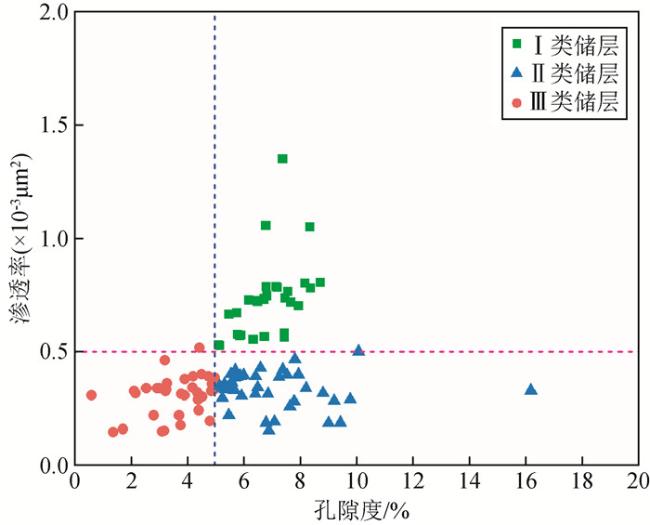
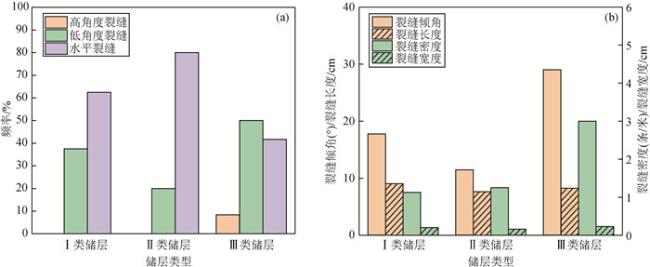
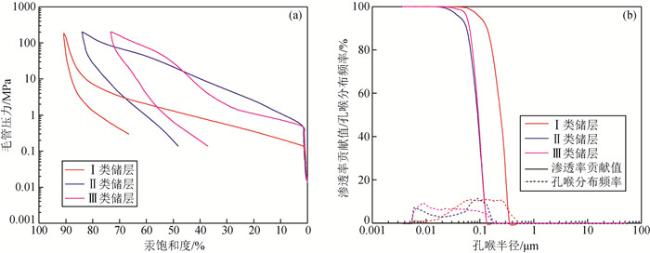
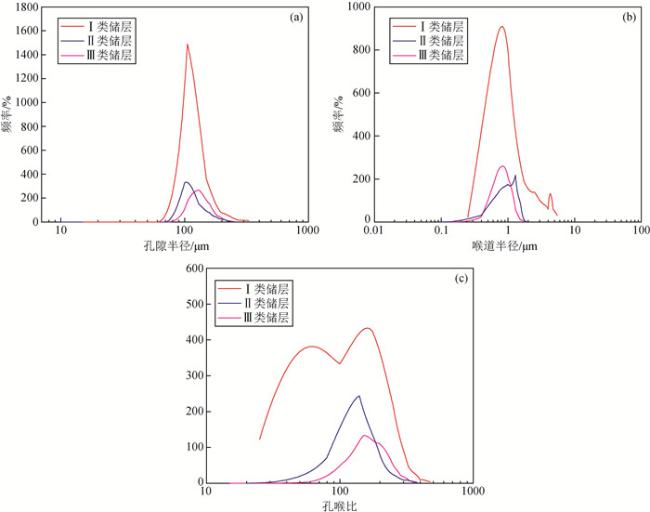
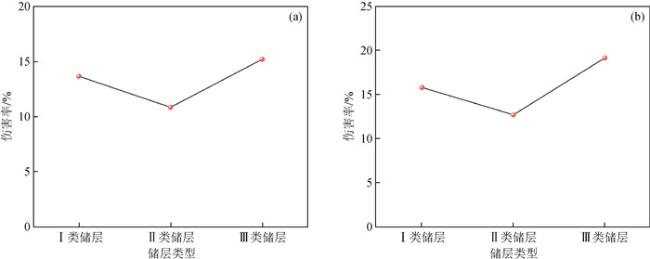
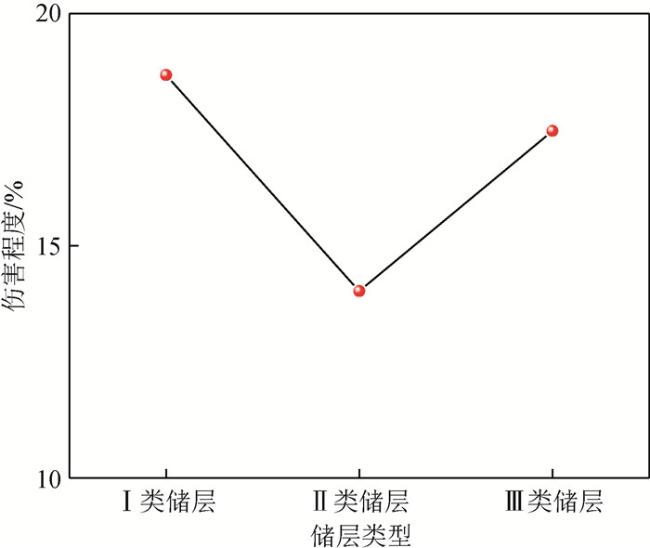
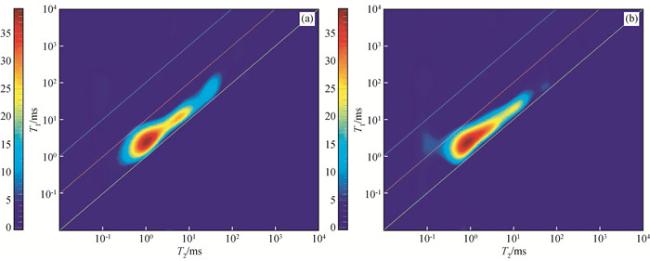
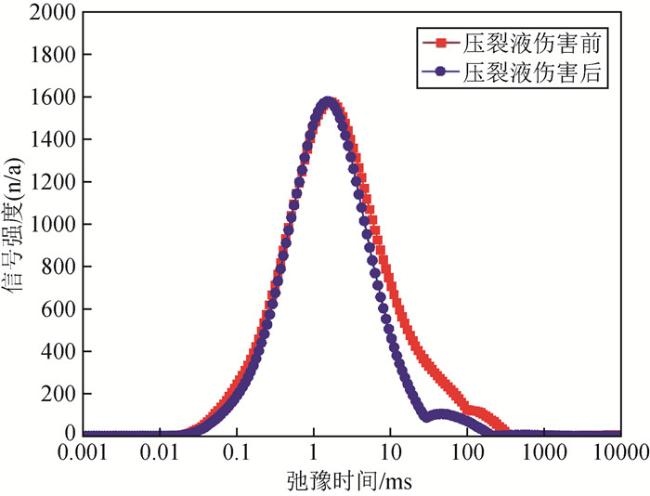
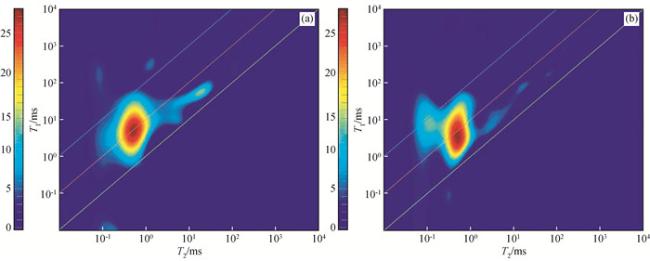
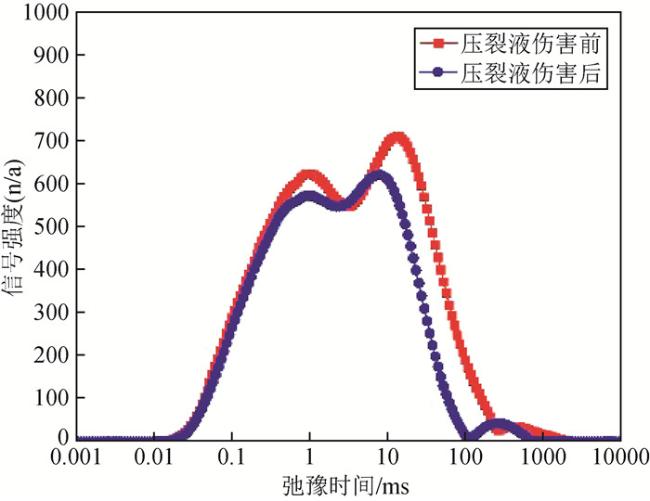
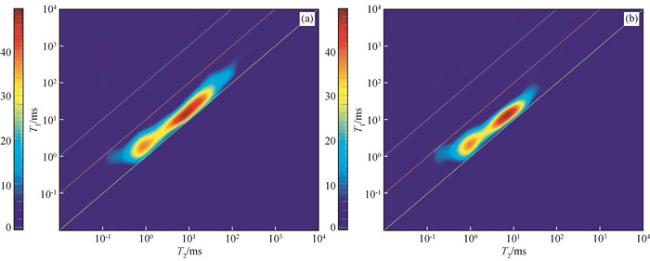
The microscopic pore structure of tight sandstone reservoirs exhibits strong heterogeneity, and the characteristics of hydraulic fracturing fluid damage vary widely. By finely classifying the types of tight sandstone reservoirs and clarifying the microscopic damage characteristics of different types of tight sandstone reservoirs, effective guidance can be provided for hydraulic fracturing treatments of tight sandstone reservoirs. Based on this, the study focuses on the tight sandstone reservoirs of the Shanxi Formation in the northeastern part of the Ordos Basin. Building upon a refined characterization of reservoir types, nuclear magnetic resonance (NMR) quantitative characterization technology was employed to study the microscopic damage characteristics of different types of reservoirs. The results show that the tight sandstone reservoirs of the Shanxi Formation can be classified into three types: type Ⅰ, type Ⅱ, and type Ⅲ. Type Ⅰ reservoirs exhibit good porosity and permeability properties, high pore-throat selectivity coefficients, and a high percentage of movable fluids. Type Ⅱ reservoirs have relatively good porosity and permeability properties, good pore-throat selectivity coefficients but poor fluid mobility, while Type Ⅲ reservoirs exhibit overall poor physical characteristics. The results of NMR T2 spectra and T1-T2 spectra of hydraulic fracturing fluid microscopic damage show that Types Ⅰ and Ⅲ reservoirs suffer more significant fluid damage, which is closely related to the development of large pores and microfractures in these two types of reservoirs.
YongGang XIE , HuaQiang SHI , XiaoLin LI , LiAn ZHU , LeKai HOU , XiaoRui LIU , Li DING , XiaoHang LI , Teng LI . Research on microscopic damage characteristics of fracturing fluid in different types of tight sandstone reservoirs with the NMR[J]. Progress in Geophysics, 2025 , 40(2) : 568 -579 . DOI: 10.6038/pg2025II0219
表1 基于多因素耦合分析不同类型致密砂岩储层典型特征Table 1 Based on the multi-factor coupling analysis, the typical characteristics of different types of tight sandstone reservoirs are analyzed |
| 储层特征 | Ⅰ类储层 | Ⅱ类储层 | Ⅲ类储层 | |
|---|---|---|---|---|
| 裂缝特征 | 水平裂缝发育为主,发育一定数量的低角度裂缝 | 以低角度裂缝发育为主,发育一定数量的水平裂缝和少量的高角度裂缝 | ||
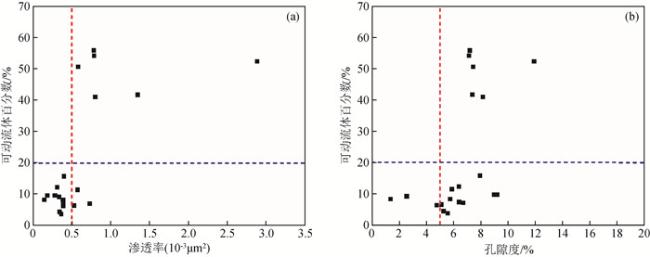
| 孔渗参数 | K≥0.50×10⁻³ μm2,φ≥5.00% | K < 0.50×10⁻³ μm2,φ≥5.00% | K < 0.50×10⁻³ μm2,φ < 5.00% | |
| 压汞参数 | 高压压汞 | 分选性好,裂隙均匀(分选系数≥2) | 分选性好,裂隙均匀细歪度(分选系数 < 2) | |
| 恒速压汞 | 孔隙、喉道以及孔喉比分布范围广,频率高 | 孔隙、喉道分布范围集中,孔喉比较大 | ||
| 核磁参数 | 可动流体百分数 | ≥20% | < 20% | < 20% |
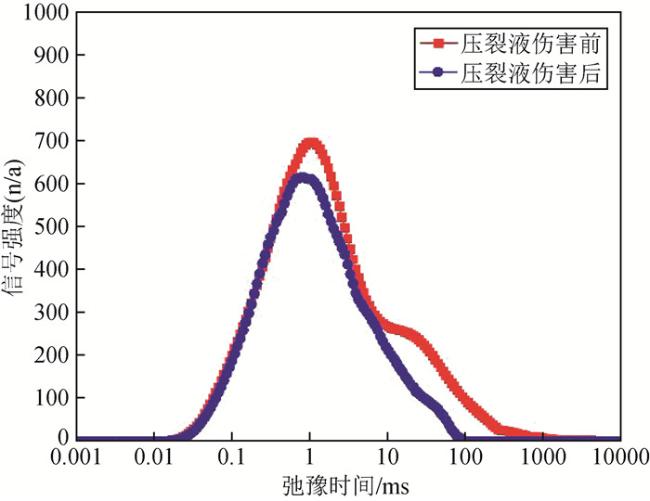
图8 Ⅰ类储层压裂液伤害核磁共振T2谱图Fig 8 NMR T2 spectrum of fracturing fluid damage in type Ⅰ reservoir |
图10 Ⅱ类储层压裂液伤害核磁共振T2谱图Fig 10 NMR T2 spectrum of fracturing fluid damage in type Ⅱ reservoir |
图12 Ⅲ类储层压裂液伤害核磁共振T2谱图Fig 12 NMR T2 spectrum of fracturing fluid damage in type Ⅲ reservoir |
感谢审稿专家提出的修改意见和编辑部的大力支持!
|
|
|
|
|
|
|
|
|
|
|
|
|
|
|
|
|
|
|
|
|
|
|
|
|
|
|
|
|
|
|
|
|
|
|
|
|
|
|
|
|
|
|
|
|
|
|
|
|
|
|
|
|
|
|
|
|
|
|
|
|
|
|
|
|
|
|
|
|
|
|
|
|
|
|
|
|
|
|
|
|
|
|
|
|
|
|
|
|
|
|
|
|
|
|
|
|
|
|
|
|
|
|
|
|
|
|
|
/
| 〈 |
|
〉 |